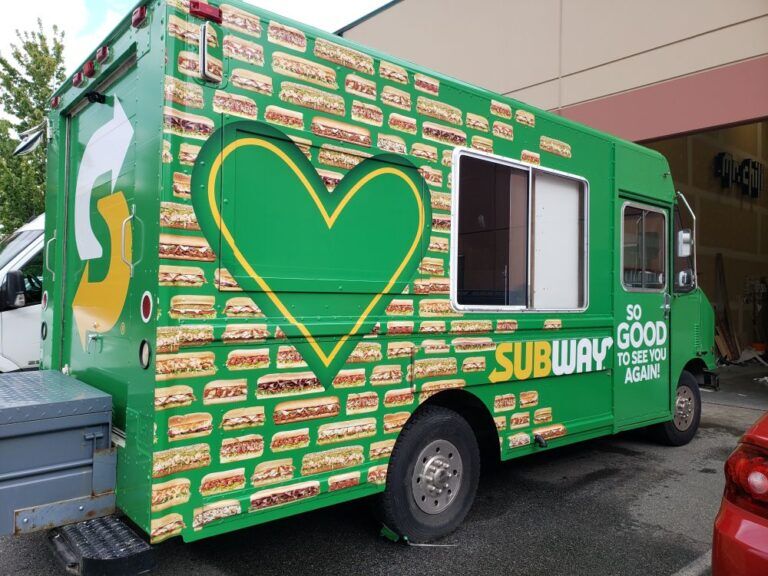
Think about the last time you sat in traffic. Chances are, you noticed at least one branded van or truck without even trying. That’s the quiet power behind commercial vehicle wraps, and most business owners never fully tap into it.
The Overlooked Advertising Space Right Outside Your Office
Every company vehicle that leaves the lot is already doing something. It’s driving to a job, making a delivery, or picking up supplies. Commercial vehicle wraps simply make sure that movement also builds your brand.
Unlike a website ad someone can scroll past, a wrapped vehicle physically exists in the world. It sits in parking lots, waits at stoplights, and passes storefronts, staying visible whether anyone clicks on anything or not.
This passive, always-on visibility is exactly why so many local businesses have quietly shifted marketing dollars toward wraps instead of paying repeatedly for digital impressions.
What Actually Goes Into a Vehicle Wrap
A vehicle wrap isn’t paint, and it isn’t a sticker either. It’s a custom-printed vinyl skin, engineered to stretch and mold around a vehicle’s curves, handles, and mirrors without cracking or bubbling.
Installers use heat and precise tension to press the material into every contour. Done correctly, a wrap looks like it was born with the vehicle rather than added afterward.
Because the vinyl sits on top of the factory paint, it also acts as a shield against sun exposure, road debris, and minor scuffs, meaning the resale paint underneath stays protected.
Why Wraps Outperform Other Vehicle Advertising Methods
Magnetic signs and window decals have their place, but they can’t compete with a full wrap’s presence or durability.
They Work While Parked A wrapped delivery van sitting outside a client’s office advertises just as effectively as one driving down the highway.
They Survive the Elements Quality automotive vinyl is built to handle rain, sun, and temperature swings without peeling or fading prematurely.
They Scale With a Fleet A dozen matching wrapped vehicles create a sense of scale and reliability that a single storefront sign simply can’t replicate.
They Cost Less Per Impression Spread across years of daily driving, the price per viewer ends up far lower than most digital or print campaigns.
Picking a Wrap Style That Matches Your Goals
Not every business needs a vehicle covered edge to edge in graphics. The right coverage depends on how the vehicle is used and what story it needs to tell.
Full Coverage Wraps Best suited for delivery vehicles, food trucks, or fleet vans where maximum brand exposure matters most.
Partial Coverage Wraps A smart middle ground for businesses wanting strong visibility without the higher cost of a full wrap.
Minimal Decal Placement Simple logo and contact info placement works well for personal work trucks or vehicles used less frequently for client-facing jobs.
Where Design Decisions Actually Matter
A wrap seen for two seconds at a stoplight needs to communicate instantly. That means oversized logos, high-contrast colors, and short, punchy contact details win over cluttered layouts every time.
Designers also need to plan around door seams, gas caps, and window curves so the artwork doesn’t awkwardly split mid-logo. This is where experience makes a visible difference in the final result.
Pure Image Signs and Graphics handles this planning stage carefully, mapping designs to each vehicle’s exact shape before a single sheet of vinyl gets cut.
Keeping a Wrap Looking Sharp for Years
Hand washing with a soft cloth and mild soap keeps the vinyl surface intact far longer than automated car washes with rotating brushes. Garage parking or shaded spots also slow down UV fading considerably.
Small edge lifts, if caught early, can usually be resealed before dirt or moisture gets underneath. Ignoring them tends to shorten a wrap’s usable life significantly.
The Long Game of Mobile Branding
A wrap doesn’t generate instant viral attention, but it steadily builds recognition over months and years of ordinary driving. Neighbors notice it, repeat customers remember it, and new prospects eventually make the connection.
That slow-burn familiarity is often what turns a one-time customer into a repeat one, simply because your brand kept quietly showing up in their daily life.
Frequently Asked Questions
1. How much does a commercial vehicle wrap cost? Pricing typically depends on vehicle size and coverage area, ranging from a few hundred dollars for partial wraps to several thousand for full coverage.
2. Does a wrap ruin the vehicle’s factory paint? No, a properly installed wrap actually protects the paint underneath and can be removed without leaving damage.
3. How long does a wrap installation take? Most installations take one to three days, depending on vehicle size and design complexity.
4. How many years does a vehicle wrap typically last? Most wraps hold up well for 5 to 7 years with proper care and occasional maintenance.
5. Is it possible to update a wrap design later? Yes, wraps can be removed or replaced entirely whenever a business needs updated branding or messaging.