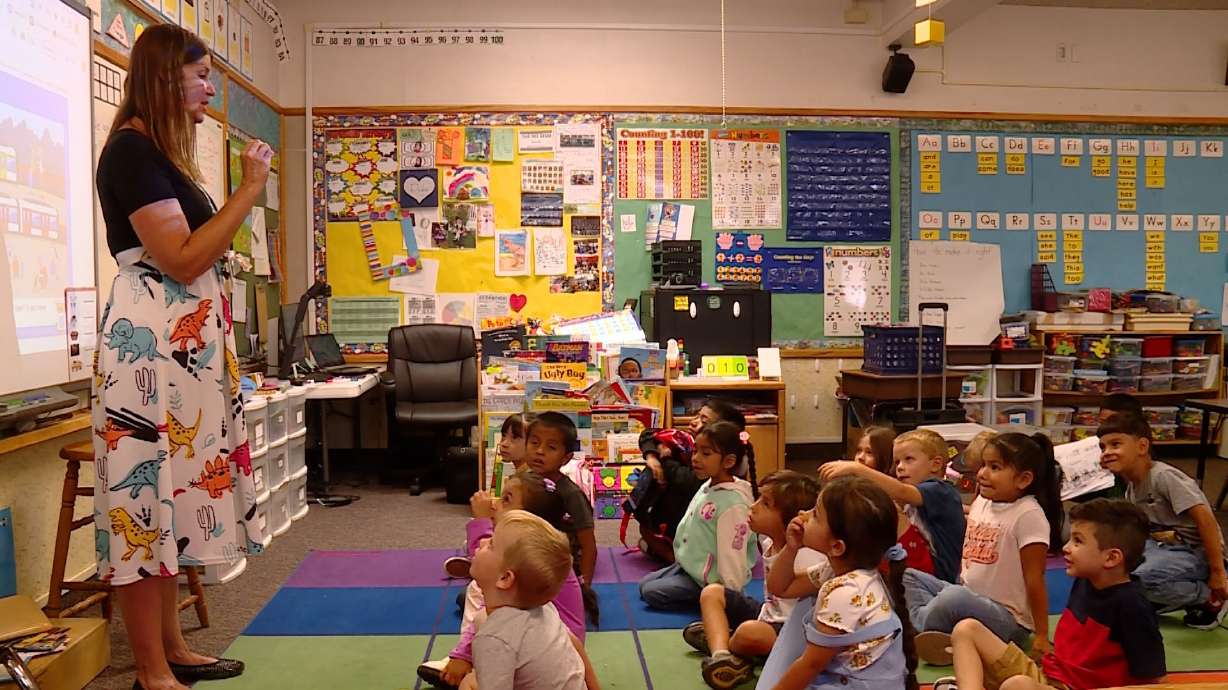
Every parent knows the bittersweet feeling of watching their little one grow up. One day, they’re toddling around with toys, and the next, you’re filling out school enrollment forms. The transition from preschool or home life to kindergarten is a big milestone. It’s not just about age—it’s about readiness. But what does “kindergarten readiness” really mean? And how do parents know if their child is ready to thrive in a classroom environment?
Let’s take a deep dive into what skills matter most before stepping into kindergarten, and how you, as a parent, can help prepare your child for this exciting stage.
Understanding Kindergarten Readiness
Kindergarten readiness is more than knowing the ABCs or counting to ten. While early academic skills are important, readiness also includes social, emotional, and physical development. Teachers often say they can teach academics, but what really sets a child up for success is their ability to communicate, follow directions, and adapt to new routines.
Think of it this way: kindergarten readiness is about whether your child can handle a structured group setting, express themselves, and begin learning in a way that feels fun instead of overwhelming.
Why Kindergarten Readiness Matters
Starting school with confidence can shape how a child feels about learning for years to come. Children who feel prepared are more likely to participate, enjoy school, and develop positive relationships with classmates. On the other hand, if a child struggles from the start, it can create unnecessary stress and frustration for both the child and the family.
That’s why readiness is about the whole child.
The 7 Key Skills Every Child Should Have Before Kindergarten
Here are the seven most important areas to focus on before your child’s first day of kindergarten.
1. Language and Communication Skills
Can your child express their needs clearly? Are they able to understand and follow simple instructions? These are essential skills for the classroom. For example, being able to tell a teacher “I need to use the bathroom” or “I don’t understand” makes all the difference in a child’s comfort level.
Ways to build this skill at home:
- Read aloud daily and ask questions about the story.
- Encourage your child to talk about their day.
- Play simple games like “Simon Says” to practice listening.
2. Social Skills
Kindergarten is often the first time children spend long hours in a group setting. Social readiness means being able to share, take turns, and show empathy toward others. A child who can play cooperatively is more likely to feel included and less likely to feel frustrated.
Practical ways to encourage this:
- Arrange playdates or group activities.
- Teach simple conflict-resolution phrases like “Can I have a turn next?”
- Model kindness and patience in your own interactions.
3. Emotional Regulation
Big emotions are part of childhood, but kindergarteners need to start learning how to manage them. Teachers look for children who can calm themselves down after being upset and who can handle transitions, like moving from playtime to circle time.
Support at home can look like:
- Naming feelings (“I see you’re frustrated because…”).
- Teaching calming strategies like deep breathing.
- Celebrating small successes when they handle emotions well.
4. Early Literacy Skills
Your child doesn’t need to read yet, but they should recognize letters, understand that print carries meaning, and enjoy books. Early literacy skills form the foundation for later reading success.
You can nurture this skill by:
- Singing alphabet songs.
- Pointing out letters in everyday settings (like signs or cereal boxes).
- Creating a bedtime reading routine.
5. Early Math Skills
Numbers are everywhere, and children benefit from understanding basic math concepts before kindergarten.
Examples of early math readiness:
- Counting objects up to ten.
- Recognizing shapes and patterns.
- Understanding basic comparisons like “more” and “less.”
6. Self-Help and Independence
Kindergarteners are expected to do simple tasks independently, like using the bathroom, washing hands, or putting on a coat. These skills build confidence and free up teachers to focus on group learning.
Help your child by:
- Letting them practice zipping their own jacket.
- Encouraging them to clean up toys after play.
- Teaching them to ask for help when needed.
7. Fine and Gross Motor Skills
From holding a pencil to running on the playground, motor skills matter. Fine motor skills involve using small muscles (like cutting with scissors), while gross motor skills involve larger movements (like jumping or climbing).
Fun activities to build motor skills:
- Drawing and coloring.
- Building with blocks.
- Playing outside, running, skipping, or throwing a ball.
Snapshot of Kindergarten Readiness Skills
| Skill Area | What It Looks Like in Practice | How Parents Can Support at Home |
| Language & Communication | Following directions, expressing needs | Reading, storytelling, and games like “Simon Says” |
| Social Skills | Sharing, taking turns, playing cooperatively | Playdates, role play, and modeling positive interactions |
| Emotional Regulation | Managing frustration, calming down, handling transitions | Naming feelings, deep breathing, and patience practice |
| Early Literacy | Recognizing letters, enjoying books | Alphabet songs, daily reading, letter hunts |
| Early Math | Counting, recognizing shapes, comparing quantities | Cooking with measuring, block play, and number games |
Common Misconceptions About Kindergarten Readiness
Many parents worry if their child can’t read or write before kindergarten. Teachers expect to teach reading and math; what they need are students who are curious, open to learning, and able to engage with peers.
This is why enrolling your child in a quality child development center or pre-kindergarten programs can make such a big difference. These environments give children a head start by teaching both social and academic readiness skills in age-appropriate ways.
How Parents Can Foster Readiness at Home
- Make learning playful: Children learn best through play. Use everyday activities, like cooking or grocery shopping, as opportunities to count, read labels, or talk about colors.
- Establish routines: Predictable routines help children feel secure and teach them how to manage time and transitions.
- Model curiosity: Show excitement when learning something new yourself. Kids often mirror adult attitudes toward learning.
- Provide practice opportunities: Give your child chances to practice self-help skills like buttoning a shirt or setting the table.
- Celebrate progress: Focus on growth, not perfection. Every small step builds confidence.
The Role of Teachers in Kindergarten Readiness
Parents aren’t expected to do it all. Teachers play a huge role in guiding children through the transition. They assess where each child is, celebrate their strengths, and gently work on areas that need improvement. A strong parent-teacher partnership makes the process smoother for everyone.
Conclusion
When parents focus on language, social-emotional growth, independence, and early academic exposure, they set their children up for success in both school and life.
Schools like Pride and Joy Learning Center understand that early childhood is about much more than academics. By nurturing the whole child, they prepare little learners to walk into kindergarten not just ready, but eager for the journey ahead.
FAQs
- At what age should I start preparing my child for kindergarten?
Most parents start focusing on readiness around age 3 or 4, but everyday learning begins much earlier. - Does my child need to know how to read before kindergarten?
No, but recognizing letters and enjoying books is important. - What if my child is shy around other kids?
That’s normal. Gradual exposure to group settings can help build confidence. - Should I focus more on academics or social skills?
Both matter, but social and emotional readiness often take priority. - How can I tell if my child is truly ready?
Talk with your child’s preschool teacher or pediatrician. They can give you guidance based on your child’s unique development.