Why Is Roofing the First Line of Protection for Any Building?
A building always depends on its roof more than people notice. The roof takes every hit from rain wind heat and cold before anything else inside gets affected. When the roof works well the rest of the structure stays calm and stable. When it fails problems begin quietly. Water slips in through small gaps. Damp patches start forming on ceilings. Over time those small signs turn into serious safety concerns. That is why roofing is not just a top layer but the main barrier that keeps a building safe from outside pressure.
How Does Roofing Protect People Inside the Building?
Safety inside a building depends on how well the roof holds up against weather and time. A strong roof stops water from entering living spaces and prevents weak spots from spreading inside walls. It also reduces the risk of electrical damage caused by leaks. When moisture enters wiring systems it creates hazards that most people do not see until damage becomes serious. Good roofing blocks that risk early and keeps the environment inside stable and safe for daily living.
Why Do Weak Roofs Create Hidden Risks?
A weak roof does not always show immediate damage. It works silently in the background while problems grow. A small leak may seem harmless at first but it slowly spreads into wood plaster and insulation. Mold can start growing in hidden corners where air does not flow properly. That mold affects air quality and can create health discomfort over time. In some cases weakened roof sections also lose strength and become unsafe during heavy rain or wind. These hidden risks make roof quality a serious safety concern.
How Does Weather Stress Affect Roof Safety?
Weather plays a constant role in roof condition. Heavy rain puts pressure on joints and drainage points. Strong winds test the grip of tiles and edges. Hot sun dries materials and makes them brittle over time. Cold weather creates expansion and contraction that weakens structure slowly. A good roof handles all these changes without breaking its balance. A poor roof reacts badly to every shift and starts losing strength faster. That is why weather resistance matters so much in roofing safety.
Why Is Professional Roofing Work So Important?
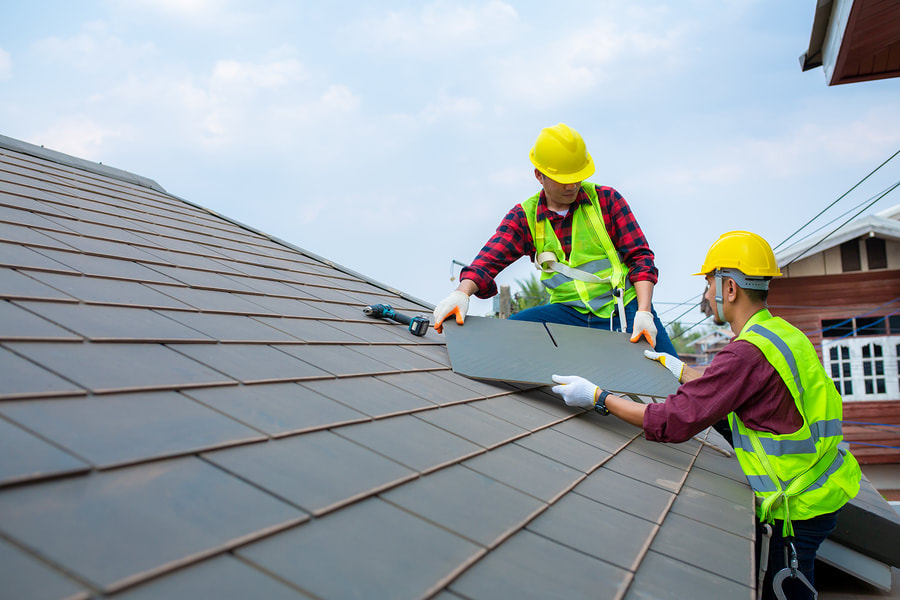
Roofing may look simple from the outside but it involves careful planning and correct material use. A skilled roofer understands how each layer supports the other. They know where leaks usually start and how to stop them before they appear. They also choose materials based on local weather conditions. Many homeowners rely on Roofing Kilburn services because trained professionals reduce mistakes and improve long term safety. A properly installed roof does not just look good it performs safely under pressure for years.
How Does Roofing Affect Structural Strength?
A roof does more than cover a building. It supports balance across the entire structure. When roofing stays strong it distributes pressure evenly across walls. When it weakens that balance breaks. Walls may develop cracks and ceilings may sag under long term stress. Water damage can also weaken beams and reduce overall stability. This chain reaction often starts from small roof issues that go unnoticed. Strong roofing prevents this cycle and keeps the building structure firm.
Why Does Roofing Influence Indoor Comfort and Safety?
Indoor safety is not only about structure but also about comfort and air quality. A good roof controls temperature inside the building. It keeps heat in during cold weather and blocks excess heat during summer. When roofing fails temperature becomes unstable and energy use increases. Moisture from leaks can also create damp air that feels uncomfortable and unhealthy. Good roofing keeps indoor conditions steady which supports both comfort and safety at the same time.
What Happens When Roof Problems Are Ignored?
Ignoring roof problems rarely ends well. A small stain on the ceiling often signals deeper damage above. If left untreated that damage spreads slowly into insulation and structural layers. Water can reach electrical systems and create safety hazards. Repair costs also rise sharply once damage spreads. What starts as a minor issue turns into major restoration work. Regular attention prevents this chain and keeps the building safer for longer periods.
How Does Roofing Improve Long Term Building Safety?
A strong roof adds long term protection that works every day without interruption. It blocks weather damage reduces structural stress and prevents moisture from entering sensitive areas. Over time this protection helps the building maintain strength and stability. Good roofing also reduces the need for frequent repairs which keeps the structure safer overall. Many property owners in Roofing Kilburn understand that investing in roof quality early saves both safety concerns and financial pressure later.
Why Is Regular Roof Maintenance Necessary for Safety?
Even a strong roof changes over time due to natural wear. Small cracks can appear and tiles may loosen after long exposure to weather. Regular inspection helps identify these issues before they turn into safety risks. Cleaning gutters checking seals and repairing small faults keeps the roof in stable condition. Maintenance is not just about appearance it directly supports building safety by preventing hidden damage from growing unnoticed.
Is Roofing Really That Important for Building Safety?
Yes roofing plays one of the biggest roles in keeping a building safe. It protects people from weather exposure structural damage and internal hazards caused by leaks. Without a strong roof even the best built structure becomes vulnerable over time. Good roofing works quietly in the background but its impact is constant. It supports safety comfort and durability all at once which makes it one of the most important parts of any building.
FAQs
Why is roofing important for building safety?
Roofing protects the structure from weather damage and prevents internal hazards like leaks and dampness.
How does a bad roof affect safety?
A weak roof can cause leaks mold growth and even structural weakening over time.
Can roofing problems affect health?
Yes damp and mold from roof leaks can impact indoor air quality and health.
Why is professional roofing work recommended?
Professionals install roofs correctly which reduces risks and improves long term safety.
How often should roofing be checked?
A roof should be inspected at least once or twice a year to maintain safety and performance.