Among the many questions patients and parents ask about ADHD, few come up as often as those about diet. Can certain foods make symptoms worse? Are there dietary changes that genuinely help? The topic is surrounded by a mix of solid research, ongoing scientific debate, and a fair amount of misinformation. At Safehealth 247, we believe patients deserve accurate, evidence-based answers rather than oversimplified claims, so this article takes a closer look at what current research actually tells us about the relationship between diet and ADHD.
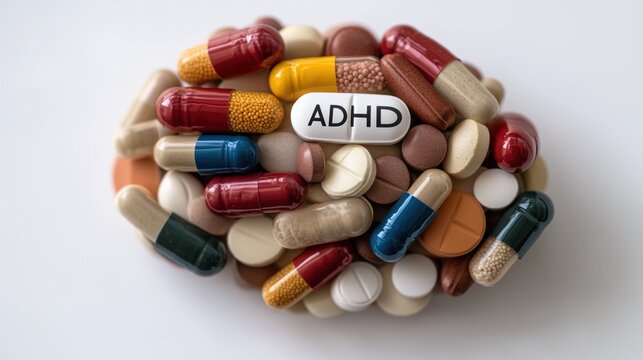
Setting Realistic Expectations
It is important to start with a clear statement: diet alone does not cause or cure ADHD. The condition has a well-established neurological and genetic basis, and no amount of dietary change will eliminate it entirely. That said, nutrition can play a meaningful supporting role in symptom management for some individuals, which is why it remains a worthwhile area to understand as part of a broader, comprehensive treatment approach rather than a replacement for clinical care.
The Sugar Myth Revisited
One of the most persistent beliefs about ADHD is that sugar consumption directly causes hyperactive behavior. Despite how widespread this idea remains in popular culture, well-designed studies have consistently failed to find a direct causal link between sugar intake and ADHD symptoms. Some children may become more energetic in situations where sugary treats are typically present, such as parties or celebrations, but this appears to be more related to the exciting context than the sugar itself.
This does not mean a generally healthy diet is unimportant, only that sugar reduction alone should not be viewed as an ADHD treatment strategy. Focusing energy on evidence-based interventions tends to produce far more meaningful results than eliminating sugar in hopes of managing symptoms.
Omega-3 Fatty Acids and Brain Function
Among dietary factors studied in relation to ADHD, omega-3 fatty acids have received considerable research attention. These essential fats, found in foods like fatty fish, walnuts, and flaxseed, play a role in brain structure and function. Some studies have found modest improvements in attention and behavior among children with ADHD who increased their omega-3 intake, though the effect sizes are generally smaller than those seen with established treatments like behavioral therapy or medication.
Rather than viewing omega-3 rich foods as a standalone treatment, they are best understood as one component of a generally balanced, brain-supportive diet that complements other evidence-based interventions.
Protein, Blood Sugar, and Focus
Some research suggests that stable blood sugar levels support more consistent attention and mood throughout the day. Meals and snacks that combine protein with complex carbohydrates tend to provide steadier energy compared to meals high in refined sugars and simple carbohydrates, which can cause rapid spikes and subsequent crashes in blood sugar and, potentially, attention and mood.
A balanced breakfast that includes protein, for example, has been associated with better classroom performance in some studies involving children with ADHD, likely due to more stable energy levels rather than any specific nutrient directly targeting ADHD symptoms.
Food Sensitivities and Additives
A smaller body of research has explored whether certain artificial food colorings and preservatives may worsen hyperactivity in some children, though findings have been mixed and the effect appears to vary significantly between individuals. For families who suspect a connection between specific foods and their child’s symptoms, keeping a detailed food and behavior diary, then discussing patterns with a healthcare provider, offers a more reliable path forward than eliminating entire food categories without guidance.
Restrictive elimination diets should generally not be undertaken without professional supervision, both to ensure nutritional needs are still met and to accurately determine whether any observed improvement is genuinely related to diet or simply coincidental.
Nutrition as Part of a Comprehensive Plan
The most effective approach to ADHD management continues to involve a combination of behavioral therapy, structured routines, and, for many patients, medication prescribed and monitored by a licensed physician. Nutrition works best as a supporting element within this broader plan rather than a replacement for established treatments. A generally balanced diet, adequate hydration, and consistent meal timing all contribute to overall well-being, which in turn can make it easier to manage ADHD symptoms day to day.
Final Thoughts
While diet alone cannot treat ADHD, thoughtful nutritional choices can play a modest but meaningful supporting role alongside evidence-based clinical treatment. Separating genuine research findings from popular myths helps patients and families make informed decisions rather than chasing quick fixes. For those looking to build a comprehensive ADHD treatment plan that includes proper clinical guidance, Safehealth 247 offers a starting point for connecting with licensed healthcare professionals.