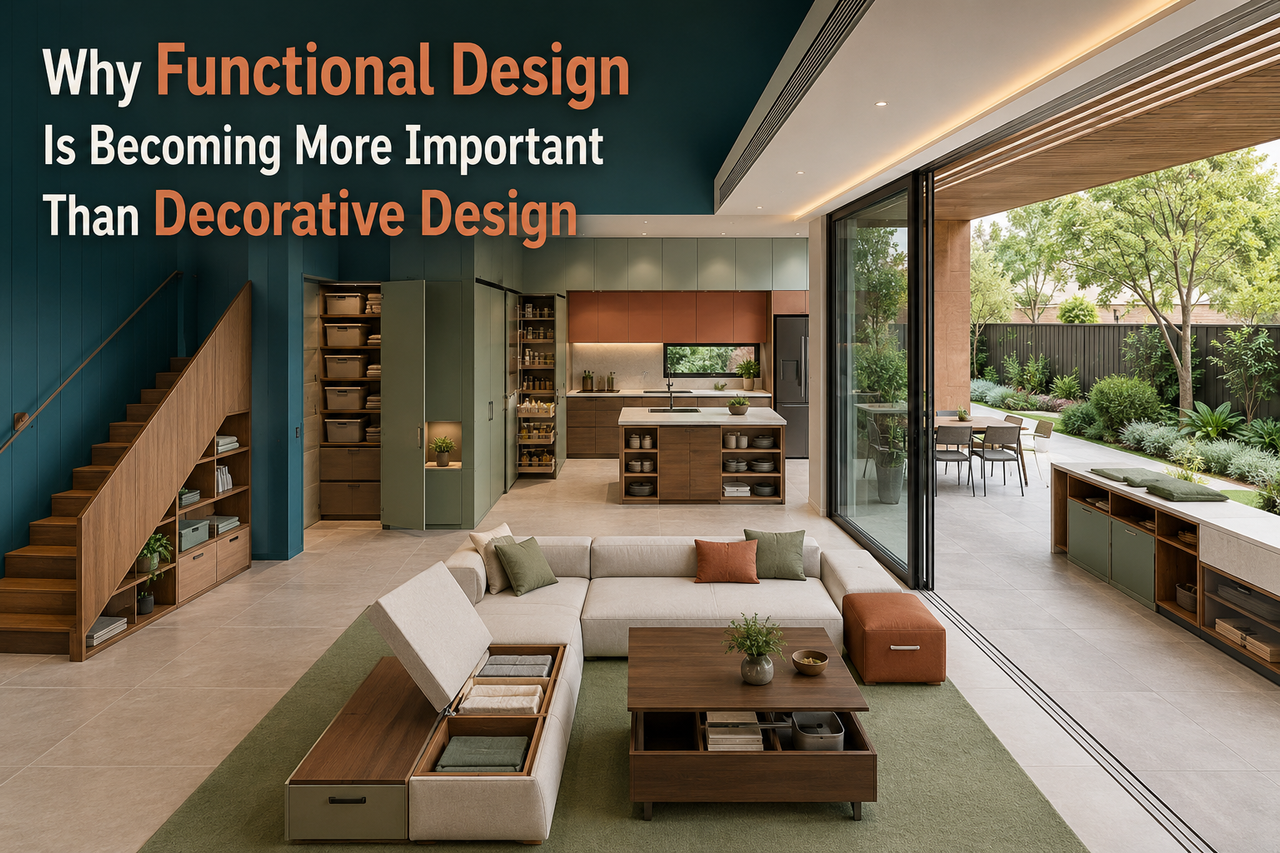
Modern homeowners are increasingly looking beyond appearances when designing their homes and commercial spaces. While attractive interiors and striking architectural details still matter, functionality has become a major priority. A well-designed space should make everyday activities easier, improve comfort, and use available space efficiently. The Best architects in Chennai understand that good design is not simply about creating beautiful structures; it is about developing spaces that work naturally for the people who use them.
What Is Functional Design?
Functional design focuses on how effectively a building or space serves its purpose. It considers movement, storage, lighting, ventilation, accessibility, maintenance, and the daily routines of occupants.
For example, a kitchen may look impressive with expensive finishes, but if there is insufficient workspace or poor movement between the cooking, washing, and storage areas, the design becomes inconvenient. Functional planning ensures that visual appeal is supported by practical usability.
Why Homeowners Are Prioritising Functionality
One of the biggest reasons for the growing importance of functional design is changing lifestyles. Homes today often need to accommodate multiple activities. A living room may serve as an entertainment area, workspace, study zone, or gathering space.
Flexible layouts allow homeowners to adapt their surroundings as their needs change. Instead of filling rooms with decorative elements, designers are focusing on useful furniture, intelligent storage, open circulation, and adaptable spaces.
Better Use of Available Space
Urban properties often come with limited floor areas. Functional design helps make every square foot valuable without making a home feel crowded.
Built-in storage, multipurpose furniture, carefully positioned partitions, and efficient room layouts can provide practical benefits while maintaining a clean appearance. Even smaller homes can feel spacious when the layout is carefully considered.
Comfort Through Light and Ventilation
A visually attractive building can still be uncomfortable if it lacks natural light or proper airflow. Functional design gives these elements greater importance during the planning stage.
Well-positioned windows, openings, shading features, and ventilation paths can improve indoor comfort. In a warm climate, these considerations can also contribute to reduced dependence on artificial cooling and lighting during suitable parts of the day.
Durability and Easy Maintenance
Decorative trends can change quickly, but a building is expected to remain useful for many years. Functional design therefore considers the durability and maintenance requirements of materials and finishes.
Choosing practical surfaces, suitable flooring, accessible service areas, and durable fixtures can reduce future maintenance challenges. The goal is not to eliminate decorative elements but to ensure that beauty does not come at the expense of long-term usability.
Technology Is Supporting Functional Spaces
Smart-home technology is also influencing modern design. Automated lighting, security systems, climate controls, smart appliances, and energy-monitoring solutions are increasingly becoming part of residential planning.
These technologies work best when they are integrated into the design rather than added as an afterthought. Functional planning can determine where equipment, wiring, controls, and devices should be positioned for convenient everyday use.
Function and Beauty Can Work Together
Prioritising functionality does not mean creating plain or unattractive spaces. In fact, the most successful designs often combine practicality with visual character.
A well-planned home can have elegant materials, attractive colours, architectural features, and stylish furniture while still providing efficient storage, comfortable movement, good lighting, and appropriate ventilation.
The difference is that decorative elements support the overall design instead of becoming the sole focus.
Designing for Changing Needs
A functional building should also consider the future. Family structures, work patterns, mobility requirements, and lifestyle preferences can change over time.
Flexible rooms, accessible layouts, additional storage, adaptable electrical points, and spaces that can serve multiple purposes can make a property more useful throughout different stages of life.
Why This Approach Matters in Construction
Functional design needs to be translated accurately from drawings into the finished structure. This requires coordination between architectural planning, material selection, structural requirements, electrical work, plumbing, and on-site execution.
Working with experienced civil contractors in Chennai can help ensure that practical design intentions are properly implemented during construction. Careful execution allows the finished property to achieve the intended balance of durability, comfort, usability, and appearance.
Conclusion
The growing focus on functional design reflects a simple change in priorities: people want spaces that look good but also make everyday life easier. From efficient layouts and natural ventilation to flexible rooms and durable materials, functionality influences how successfully a building performs over time.
Decorative design will always have an important role in creating personality and visual appeal. However, when beauty and practicality are considered together, the result is a space that is not only attractive at first glance but also comfortable, efficient, and valuable for years to come.