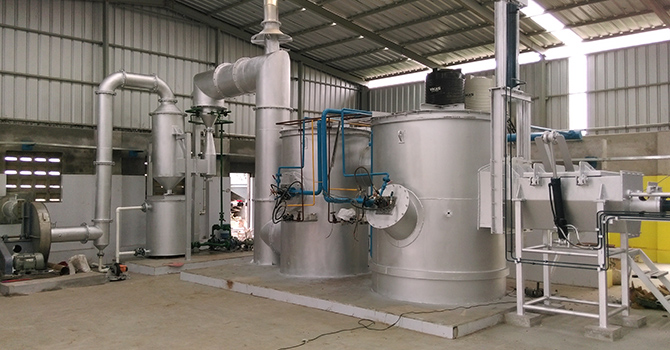
Choosing the right system for treating healthcare waste is essential for protecting public health, workers, and the environment. A biomedical waste incinerator is one of the most reliable solutions for destroying infectious, contaminated, and hazardous medical waste at high temperatures. Hospitals, clinics, laboratories, diagnostic centers, and research facilities generate waste that cannot be disposed of through ordinary methods. Items such as dressings, swabs, pathological waste, disposables, and contaminated materials must be handled with care. For this reason, selecting the best incinerator depends on the type of waste, daily volume, emission control, and overall safety performance.
What Makes a Biomedical Waste Incinerator Effective?
The best biomedical waste incinerator should provide complete combustion, stable temperature control, and low residue output. Safe disposal depends on how well the system destroys harmful microorganisms and reduces the waste to a much smaller volume. A well designed unit should also include proper feeding mechanisms, insulated chambers, and emission control systems to minimize smoke, odor, and harmful gases.
Another important factor is durability.
Since biomedical waste can include mixed and sometimes corrosive materials, the incinerator should be built with strong heat resistant materials that can withstand continuous use. Facilities that manage large waste loads often need systems that can operate efficiently without frequent breakdowns or maintenance delays.
Understanding the Types of Incinerators for Biomedical Waste
There are several types of incinerators for biomedical waste, and each one serves a different purpose. A single chamber incinerator is suitable for smaller facilities with lower waste generation. It is simple and cost effective, but it may not provide the same level of combustion control as advanced systems.
A double chamber incinerator is often preferred for safer and more complete destruction of medical waste. In the first chamber, waste is burned, and in the second chamber, remaining gases are treated at a higher temperature. This improves combustion efficiency and reduces harmful emissions.
Rotary kiln systems are another option for facilities that need to process mixed or difficult waste streams. These systems offer continuous movement and high temperature treatment, making them useful for more demanding applications. When choosing among the types of incinerators for biomedical waste, it is important to consider waste composition, volume, and environmental requirements.
Why Safety and Compliance Matter
Safe disposal is not only about destroying waste but also about protecting people and meeting regulations. A high quality biomedical waste incinerator helps reduce the spread of infection, prevents accidental exposure, and supports better waste control in healthcare environments. Emission management is equally important because untreated smoke and gases can create environmental problems.
Facilities should choose a system that meets local safety and pollution control standards. The right incinerator should make disposal easier while keeping operations compliant and dependable. In healthcare settings, safety is always the top priority, and the incinerator should support that goal at every stage of waste treatment.
Comparing Waste Treatment Needs
Some buyers may compare medical systems with industrial units such as a poultry incinerator for sale, especially when looking at combustion capacity and waste volume handling. However, biomedical waste requires stricter temperature control, infection control, and emission safety. A poultry incinerator for sale is generally designed for animal waste, while biomedical systems are built specifically for healthcare disposal needs.
Choosing the Best Option
The best biomedical waste incinerator is the one that matches the facility’s waste type, daily load, and environmental responsibilities. Smaller clinics may need a compact system, while hospitals and laboratories may require larger, more advanced equipment. In every case, the best choice is the one that ensures safe, complete, and compliant disposal.
Conclusion
The best biomedical waste incinerator is one that delivers safe combustion, strong emission control, and reliable performance. By understanding the types of incinerators for biomedical waste, facilities can choose the right system for their needs. Proper selection supports safer healthcare operations, better waste management, and stronger protection for people and the environment.