There’s a specific kind of dread that comes with hearing a strange gurgle from your bathroom sink at 11 PM. You know the sound. You’ve probably lain in bed wondering if it’s nothing, or if tomorrow morning you’ll wake up to a flooded basement and a very expensive problem.
If you live in Saint Albans, you’re not alone in this. A lot of the housing stock here dates back decades, and pipes don’t last forever no matter how well you treat them. Old galvanized steel, corroded joints, water pressure that’s been “off” for months but you kept ignoring it these things add up. Eventually, patching and praying stops working.
That’s usually the moment people start researching plumbing installation instead of another band-aid repair.
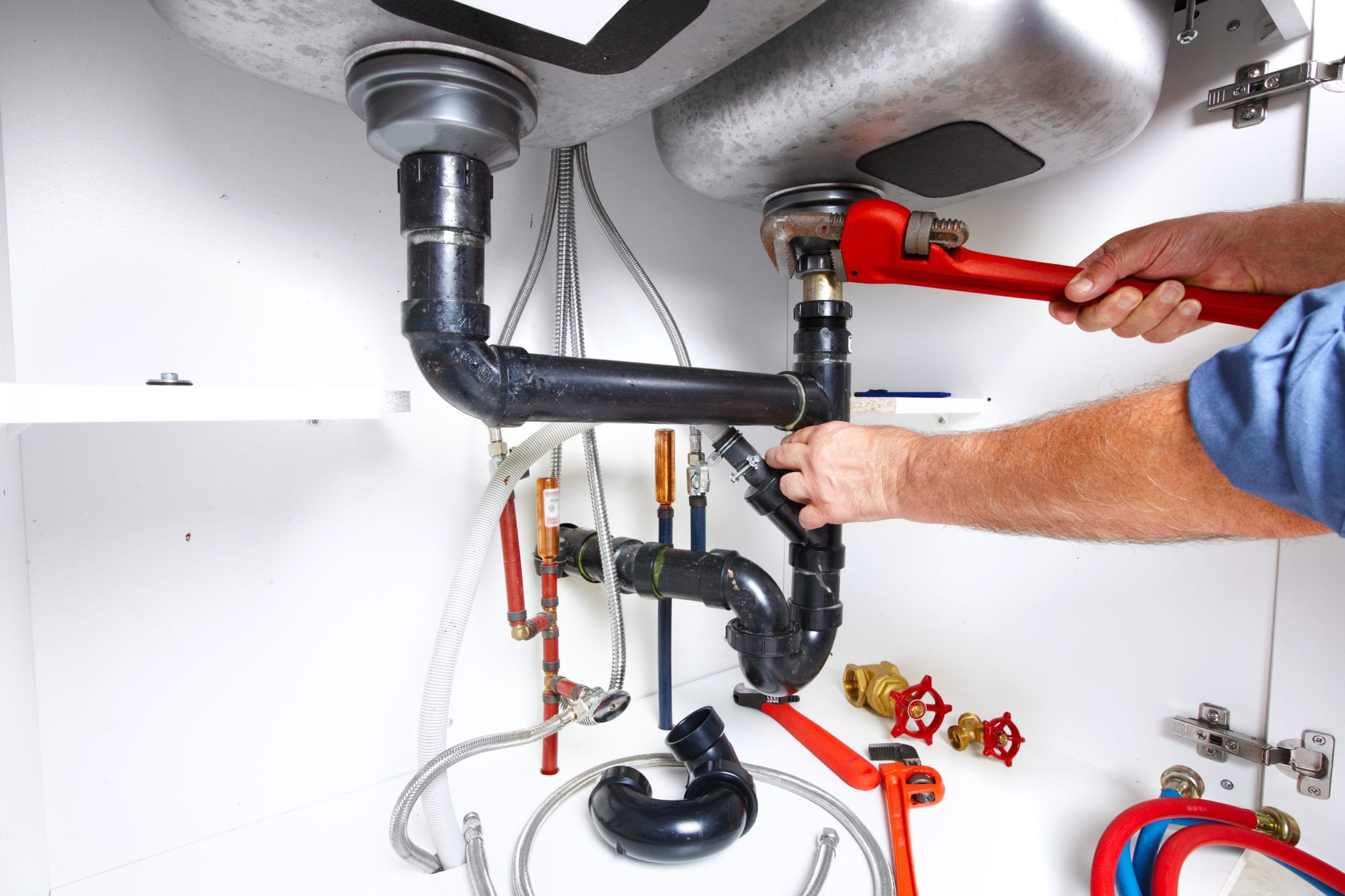
Why Homeowners Here Keep Running Into the Same Problems
Talk to enough neighbors around Linden Boulevard or Merrick Boulevard and you’ll hear the same three stories over and over.
The Slow Leak Nobody Noticed
Someone finds a soft spot under the kitchen sink. Turns out water’s been seeping behind the cabinet for weeks. By the time it’s discovered, there’s already mold, warped wood, and a much bigger job than a simple fix.
The Renovation That Uncovered a Mess
Homeowners tear into a wall for a bathroom remodel and find pipes from the 1960s still doing the heavy lifting. Suddenly a cosmetic project becomes a full plumbing overhaul nobody budgeted for.
The Pressure Problem That Won’t Go Away
Low water pressure that never seems to fix itself, no matter how many aerators get cleaned. Usually it’s not the faucet at all it’s aging supply lines that have narrowed with mineral buildup over the years.
Sound familiar? These aren’t rare, freak situations. They’re just what happens to homes in this part of Queens as they age.
The Saint Albans Factor: Why Local Conditions Matter
The weather here isn’t gentle on the plumbing. Winters bring hard freezes that can crack pipes overnight, especially in older homes near St. Albans Park or the Addisleigh Park Historic District where original plumbing infrastructure is common. Summers bring humidity that speeds up corrosion in copper and galvanized lines.
Add in the fact that many homes were built with materials that simply aren’t made anymore, and you’ve got a recipe for recurring issues that keep coming back no matter how many times you patch them.
- Freeze-thaw cycles crack aging pipe joints
- Older neighborhoods often still have original 1950s–60s piping
- Hard water minerals build up faster in humid conditions
- Basement flooding risk rises during heavy spring rain
None of this means your home is doomed. It just means the “quick fix” approach eventually runs out of road.
What Actually Fixes This (Step by Step)
Here’s the thing nobody explains clearly enough: a proper fix isn’t complicated once you know what to look for.
Step 1: Get a Real Inspection First
Before anyone touches a wrench, a technician should walk the property and check pipe material, water pressure, and any visible corrosion. Guessing leads to redoing work later.
Step 2: Match the Solution to the Home’s Age
A 1950s Cape Cod needs a different approach than a newer construction home. Copper, PEX, or CPVC each have tradeoffs worth explaining in plain language, not jargon.
Step 3: Plan Around Your Life, Not Just the Pipes
Good technicians schedule around when you’re actually home, and explain what rooms will be affected and for how long. Nobody wants surprises mid-project.
Step 4: Test Everything Before Calling It Done
Water pressure, leak checks, and a walkthrough with the homeowner should happen before anyone packs up their tools.
This is where Low Cost Mechanical approaches things differently treating every home like it’s the technician’s own, not just another job on the schedule.
Why Trust Actually Matters Here
Anyone can advertise plumbing work. Trust is earned through specific, checkable things:
- Upfront, written pricing before work begins no surprise invoices
- Licensed and insured technicians, so you’re covered if anything goes wrong
- Fast response times, including for urgent situations
- Clear communication in plain English, not technical double-talk
- A track record with actual Saint Albans neighbors, not just online reviews from nowhere
When something goes sideways with your water lines say, a pipe bursts on a Sunday night that’s not the time to be vetting strangers. That’s when you want a name you already trust, because you or someone you know already called them once.
This matters just as much for a full plumbing repair Saint Albans, NY job as it does for brand-new installation work. The same standards should apply either way.
When It’s an Emergency, Every Minute Counts
Not every plumbing issue can wait for a Tuesday appointment. Burst pipes, sewage backups, and water heaters that fail overnight need someone who picks up the phone and shows up fast.
If you’ve ever searched for an emergency plumber in Saint Albans, NY at 2 AM while watching water creep across your kitchen floor, you already know how stressful that wait can feel. A response team that treats urgency like an actual emergency not a “we’ll fit you in Thursday” situation makes all the difference between minor damage and a full-blown disaster.
Frequently Asked Questions
Q1. How long does a typical plumbing installation take?
Ans: Most residential jobs run one to three days depending on scope, home size, and whether walls need to be opened.
Q2. Is it cheaper to repair old pipes or replace them?
Ans: Repeated repairs on aging pipes often cost more over time than one properly done replacement. A technician can assess which makes financial sense for your specific home.
Q3. Do I need a permit for new plumbing work in Saint Albans?
Ans: Yes, most installation work requires permits through NYC’s Department of Buildings. A licensed contractor typically handles this for you.
Q4. What’s considered a plumbing emergency?
Ans: Burst pipes, active flooding, sewage backups, gas leaks near plumbing lines, and complete loss of water pressure all count as urgent situations.
Q5. How do I know if my pipes need replacing?
Ans: Warning signs include discolored water, frequent low pressure, visible corrosion, and repeated leaks in the same area.
Q6. Can plumbing work be done without tearing up my walls?
Ans: In many cases, yes. Modern techniques allow for less invasive access, though it depends on your home’s layout and pipe location.
Q7. How fast can someone come out for an emergency?
Ans: Response times vary, but a reliable local team should prioritize same-day or immediate dispatch for true emergencies.
Getting This Off Your Plate for Good
Nobody wants to think about their pipes until something goes wrong, and honestly, that’s a fair way to live most of the time. But if you’re dealing with recurring leaks, weak water pressure, or a home that’s due for an upgrade, putting it off just means dealing with a bigger headache later.
A solid plumbing installation doesn’t have to be stressful, confusing, or overpriced. It just needs to be done by people who actually know your neighborhood, your housing stock, and your specific situation, not a call center reading from a script.
If you’re ready to stop guessing and get it handled properly, Low Cost Mechanical is a phone call away, ready to walk your property, give you honest answers, and get the job done without the runaround.