In industries where precise measurement is essential, an Internal Calibration Weighing Machine provides a reliable solution for maintaining consistent accuracy and stable weighing results. From laboratories and manufacturing facilities to jewellery workshops and quality control departments, accurate weight measurement plays a critical role in daily operations.
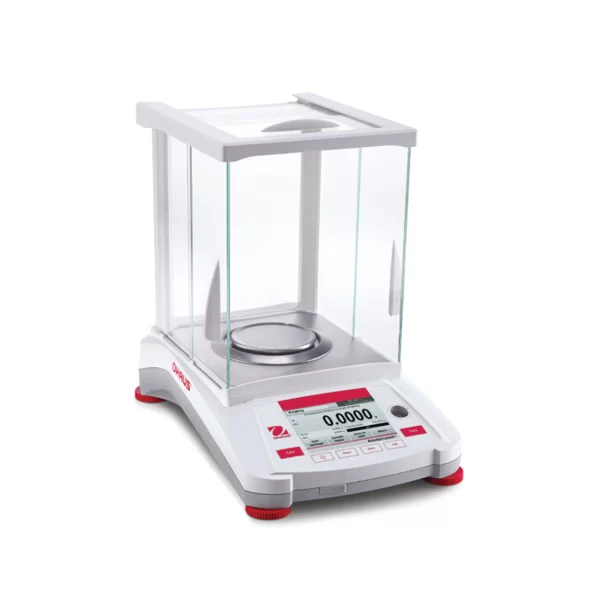
Unlike conventional weighing equipment that may require manual calibration using external test weights, an internal calibration system is designed with a built-in mechanism that helps verify and adjust the machine’s accuracy. This feature supports dependable performance, reduces maintenance requirements, and makes the weighing process more convenient.
What Is an Internal Calibration Weighing Machine?
An Internal Calibration Weighing Machine is a precision weighing device equipped with an integrated calibration mechanism. The system can use an internal reference weight to check and adjust measurement accuracy when required.
Changes in environmental conditions, temperature, machine usage, and other factors can affect the performance of a precision scale over time. Internal calibration helps compensate for such changes and supports consistent measurement results without relying entirely on external calibration weights.
This makes the equipment especially useful in workplaces where accuracy, efficiency, and repeatability are important.
Benefits of Built-In Internal Calibration
Consistent Accuracy
One of the primary advantages of an Internal Calibration Weighing Machine is its ability to maintain reliable measurement performance. The integrated calibration function helps the machine remain accurate during regular operation.
This is particularly valuable for applications involving small quantities, high-value materials, or products that must meet strict quality standards.
Improved Operational Efficiency
Manual calibration can require additional time and carefully maintained external weights. With a built-in calibration mechanism, the calibration process becomes simpler and more convenient.
Employees can spend less time preparing the equipment and more time focusing on important production, testing, or quality control tasks.
Stable and Repeatable Results
Consistency is just as important as accuracy. A high-quality weighing system should provide repeatable results when the same item is measured under similar conditions.
Internal calibration supports stable performance and helps businesses improve confidence in their measurement processes.
Lower Maintenance Requirements
An Internal Calibration Weighing Machine can reduce dependence on handling and storing external calibration weights for routine adjustments. Fewer external accessories can simplify equipment management and reduce the risk of misplaced or improperly handled reference weights.
However, proper cleaning, professional servicing, and periodic verification may still be necessary depending on the application and operational requirements.
Applications of Internal Calibration Weighing Machines
These advanced weighing systems are suitable for a wide range of industries, including:
- Laboratories and research facilities
- Pharmaceutical and chemical applications
- Jewellery and precious metal weighing
- Manufacturing and assembly operations
- Food and packaging industries
- Educational and scientific institutions
- Quality control departments
For example, a jewellery business handling valuable metals requires highly precise measurements. An Internal Calibration Weighing Machine can help maintain dependable weighing performance throughout regular use.
Similarly, laboratories working with small samples benefit from stable and repeatable measurements that support reliable testing procedures.
Choosing the Right Internal Calibration Weighing Machine
Before selecting a weighing machine, consider factors such as maximum capacity, readability, required accuracy, operating environment, calibration functionality, and available connectivity features.
It is also important to choose equipment that matches the specific requirements of the application. A laboratory may require a highly sensitive analytical balance, while an industrial facility may need a robust machine designed for larger capacities.
Conclusion
An Internal Calibration Weighing Machine is a smart investment for businesses and professionals who require accurate, stable, and dependable weight measurements. Its built-in calibration capability improves convenience, supports consistent performance, and reduces the effort associated with routine calibration procedures.
By selecting a high-quality weighing solution suited to your operational needs, you can improve measurement reliability, increase efficiency, and support better quality control across your organization.