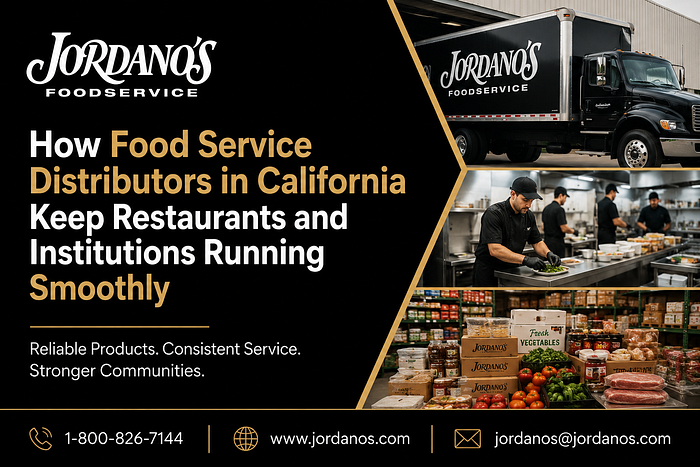
The Supply Chain Behind Every Successful Kitchen
Every restaurant meal, hospital cafeteria tray, school lunch, and corporate dining service has one thing in common: dependable access to quality food products. While guests typically notice the menu, the service, and the dining experience, there is a complex distribution network working behind the scenes to make it all possible.
For foodservice operations across California, maintaining a steady flow of products is critical. A delayed shipment, missing ingredient, or inventory shortage can quickly disrupt daily operations. That is why food service distributors in California play such an important role in supporting restaurants, healthcare facilities, educational institutions, hospitality businesses, and other foodservice organizations.
From sourcing fresh ingredients to managing deliveries and inventory requirements, distributors help ensure kitchens stay prepared, efficient, and ready to serve.
Supporting Consistent Product Availability
Consistency is one of the biggest challenges in foodservice. Customers expect their favorite menu items to be available every time they visit. Similarly, institutions rely on predictable food supplies to meet nutritional and operational requirements.
Food distributors help bridge the gap between manufacturers, producers, and end users. By maintaining extensive inventories and strong supplier relationships, they help businesses access products when they need them.
This support becomes especially important during seasonal demand shifts, supply chain disruptions, and market fluctuations. Rather than coordinating with multiple vendors, foodservice operators can streamline procurement through a reliable distribution network.
As a result, kitchens spend less time worrying about sourcing products and more time focusing on food quality and customer satisfaction.
Managing Diverse Product Categories
Modern foodservice operations require much more than basic ingredients. Many facilities depend on a broad selection of products to keep daily operations running smoothly.
A typical distribution network may handle:
- Fresh produce
- Frozen foods
- Dairy products
- Meat and seafood
- Dry grocery items
- Beverages
- Bakery products
- Specialty ingredients
- Disposable supplies
- Cleaning and sanitation products
Having access to multiple categories through a single source improves efficiency and simplifies purchasing processes.
Instead of juggling several orders from different suppliers, businesses can consolidate procurement activities while maintaining product consistency across locations.
Helping Restaurants Adapt to Changing Consumer Preferences
Consumer tastes rarely stay the same for long. New dietary trends, ingredient preferences, and menu innovations continue to shape the foodservice industry.
Whether customers are looking for plant-based meals, organic products, locally sourced ingredients, or globally inspired flavors, restaurants often need quick access to new products.
Distributors help support these evolving demands by introducing operators to emerging food trends and expanding product selections. Their industry knowledge allows foodservice businesses to respond more effectively to changing customer expectations.
This flexibility can be particularly valuable in California, where diverse communities and culinary preferences create constant demand for menu innovation.
Supporting Institutions with Specialized Requirements
Restaurants are not the only organizations that depend on reliable food distribution services.
Hospitals, schools, universities, senior living communities, correctional facilities, and corporate dining programs all have unique foodservice needs. Many of these organizations operate under specific nutritional guidelines, budget constraints, and service requirements.
Distributors help accommodate these specialized demands by offering tailored product selections and logistical support.
For example, healthcare facilities may require products that meet dietary restrictions, while educational institutions often need large-volume deliveries designed to support meal programs.
By understanding the operational realities of different sectors, food service distributors in California help institutions maintain continuity and efficiency.
Navigating California’s Complex Market
California presents both opportunities and challenges for foodservice operators.
The state’s size, population diversity, agricultural resources, and regional preferences create a highly dynamic marketplace. At the same time, businesses must navigate transportation demands, labor considerations, seasonal availability, and changing consumer expectations.
Experienced distributors help manage these complexities through established logistics networks and strong supplier relationships.
Their ability to coordinate sourcing, warehousing, and delivery across a large geographic area helps ensure products move efficiently from suppliers to end users.
This level of coordination is particularly valuable in an industry where timing can directly affect profitability and customer satisfaction.
Building Long-Term Supply Chain Stability
Successful foodservice operations rarely rely on short-term solutions. Long-term stability often depends on strong partnerships throughout the supply chain.
Distributors serve as an important connection point between producers and foodservice operators. By fostering reliable supplier relationships and maintaining consistent product availability, they help create a more resilient supply network.
This stability benefits everyone involved, from manufacturers and growers to restaurants and institutions serving thousands of customers each day.
As foodservice operations continue to evolve, dependable distribution partnerships remain essential to maintaining business continuity and operational success.
Why Distribution Matters More Than Ever
The modern foodservice industry operates in a fast-paced environment where efficiency, consistency, and reliability are critical. Delays, shortages, and supply disruptions can quickly affect service quality and customer experience.
That is why food service distributors in California continue to play such a vital role. Their ability to manage logistics, maintain product quality, support inventory needs, and adapt to changing market conditions helps keep kitchens running day after day.
Without effective distribution systems, even the most talented culinary teams would face significant challenges meeting customer expectations.
Partner With Industry Experience You Can Trust
Reliable food distribution is about more than moving products from one location to another. It is about supporting operational success, maintaining consistency, and helping foodservice businesses meet the demands of a competitive marketplace.
For organizations seeking a trusted distribution partner with extensive industry experience, Jordano’s continues to support restaurants, institutions, and foodservice operations with dependable solutions designed to keep businesses moving forward.