Reliable energy is essential for factories, warehouses, commercial facilities, and other large-scale operations. Even a short power interruption can slow production, affect equipment, and create unexpected costs. This is where battery storage can make a meaningful difference. By storing electricity and making it available when needed, battery systems can help businesses manage fluctuations, respond to outages, and maintain a more stable energy supply.
Supporting Power During Unexpected Outages
Power interruptions can happen because of grid failures, severe weather, equipment faults, or sudden demand. For businesses that rely on continuous electricity, even a brief disruption can affect operations.
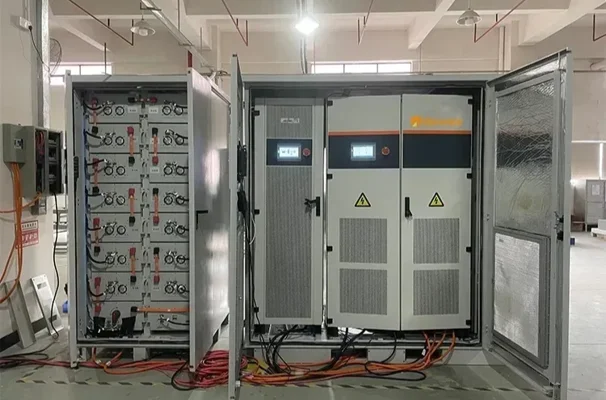
An industrial battery storage system can respond quickly when the main power supply is interrupted. Instead of waiting for another power source to become fully operational, stored energy can be delivered almost immediately. This can help keep essential equipment, lighting, communication systems, and critical processes running.
For facilities where downtime can be expensive, this additional layer of power protection can provide greater operational confidence.
Managing Changes in Energy Demand
Electricity demand is not always consistent throughout the day. Industrial facilities may experience periods when machinery, cooling systems, and other equipment require significantly more power.
Battery systems can help manage these changing requirements by supplying stored electricity during periods of high demand. This can reduce pressure on the grid connection and create a more balanced energy profile.
The system can also recharge when electricity is more readily available, depending on the facility’s energy strategy. This flexibility allows businesses to use stored power more effectively rather than relying entirely on real-time grid supply.
Improving Renewable Energy Reliability
Solar and other renewable energy sources can help businesses reduce dependence on conventional electricity, but their output can vary. Solar panels, for example, generate energy during daylight hours and may produce less electricity during cloudy conditions.
Battery storage can help address this inconsistency by capturing surplus renewable energy and making it available later. Energy generated during periods of strong sunlight can be stored and used when production falls or demand increases.
This makes it easier for businesses to get more practical value from renewable energy while creating a more dependable power setup.
Protecting Critical Business Operations
Some industrial processes cannot easily tolerate interruptions. Manufacturing equipment, refrigeration systems, data infrastructure, security systems, and automated processes may all require consistent power.
A properly designed battery system can prioritize essential loads and provide backup electricity when required. This helps businesses maintain important functions while reducing the potential impact of grid instability.
Beyond backup power, modern systems can also support better energy monitoring and management. Businesses can use operational data to understand consumption patterns and make more informed decisions about their energy use.
Choosing the Right System for Your Facility
Every facility has different energy requirements. Battery capacity, power output, operating conditions, backup duration, available space, and future energy needs should all be considered before selecting a system.
Professional assessment is important because an appropriately sized solution can provide better performance and avoid unnecessary investment. Businesses should also consider how the system will integrate with existing electrical infrastructure, renewable energy sources, and backup equipment.
Conclusion
Reliable electricity supports productivity, protects equipment, and helps businesses avoid unnecessary interruptions. Battery storage can provide fast backup power, manage changing demand, and improve the usefulness of renewable energy.
If you are considering a dependable energy solution for your facility, Emecron can help you explore options suited to your operational requirements. Take the next step toward a more resilient and flexible energy setup.