Healthy skin improves both appearance and confidence. Many people experience concerns such as dark spots, uneven skin tone, sun damage, or acne marks at different stages of life. These issues can often be managed with the right skincare routine and professional care. If you are considering Pigmentation Treatment, choosing experienced professionals and a personalized treatment plan can help you achieve safer and longer-lasting results.
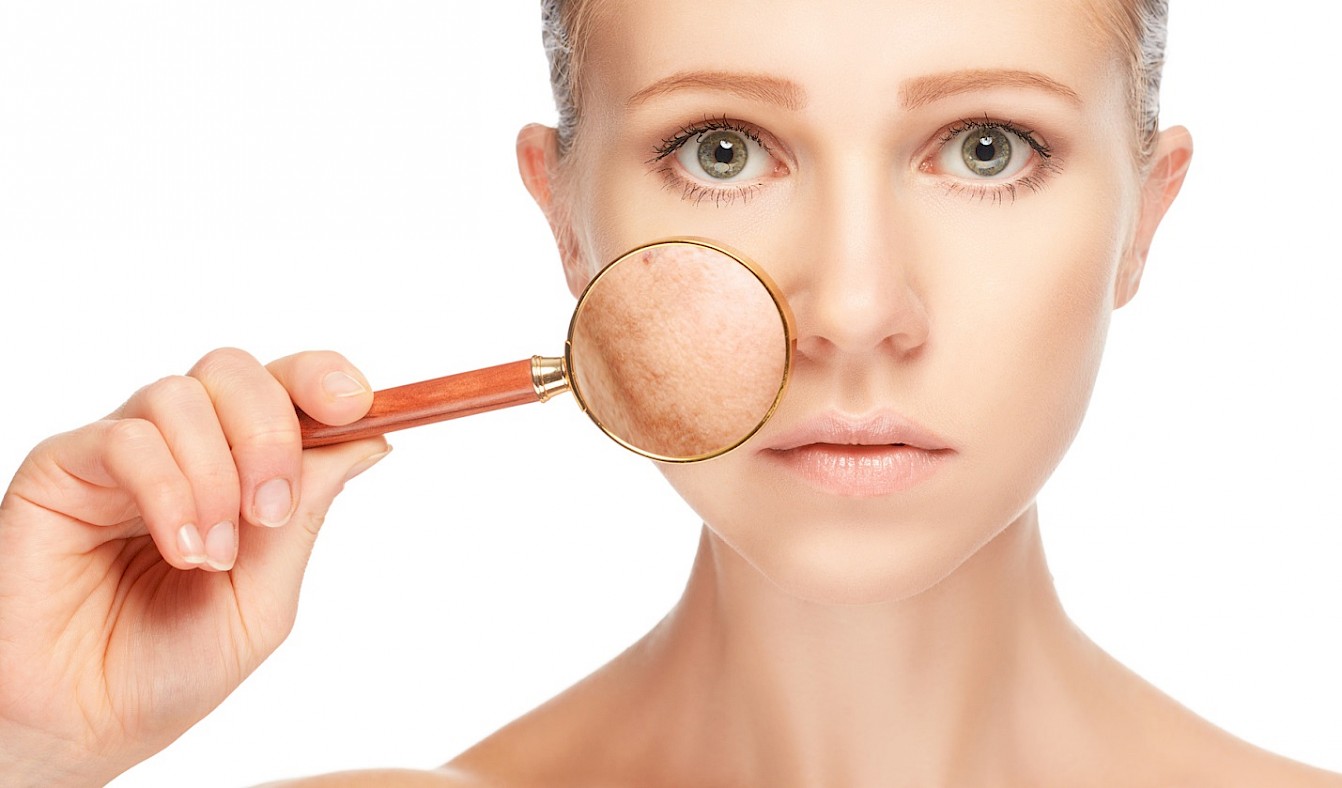
Understanding Skin Pigmentation
Skin gets its color from a natural pigment called melanin. The amount of melanin in the skin varies from person to person. Sometimes the body produces too much melanin in certain areas, leading to dark patches or uneven skin tone.
Pigmentation can affect people of all ages and skin types. It may appear on the face, neck, hands, or other parts of the body. Identifying the cause is the first step toward selecting the right treatment.
Common Causes of Pigmentation
Many factors can contribute to skin pigmentation. Long-term exposure to sunlight is one of the most common causes. Ultraviolet rays stimulate melanin production, which can result in dark spots over time.
Hormonal changes may also affect skin color. Pregnancy, certain medications, and hormonal conditions can trigger pigmentation. Acne scars, aging, and skin injuries are other common reasons for uneven skin tone.
Types of Pigmentation
Different types of pigmentation require different treatment approaches. Sunspots usually develop after years of sun exposure. Melasma often appears due to hormonal changes and commonly affects the cheeks, forehead, and upper lip.
Post-inflammatory pigmentation develops after acne, burns, or skin irritation. Freckles are another common form of pigmentation that may become darker with sun exposure. A professional evaluation helps identify the exact type.
Why Professional Evaluation Matters
Every skin condition is different. A professional consultation helps determine the cause of pigmentation before treatment begins. This reduces the risk of choosing products or procedures that may not suit your skin.
During the consultation, the specialist evaluates your skin type and medical history. They also discuss your skincare routine and treatment goals. This information helps create a personalized plan.
Professional Treatment Options
Several professional treatments can improve uneven skin tone. Chemical peels help remove damaged outer skin layers and encourage healthier skin growth. They are commonly recommended for mild to moderate pigmentation.
Laser treatments target excess pigment while protecting surrounding skin. Microdermabrasion and skin rejuvenation procedures may also improve skin texture and appearance. The best option depends on the severity of the condition.
The Importance of Daily Skincare
Professional treatments provide better results when combined with a consistent daily skincare routine. Cleansing your face twice a day removes dirt and excess oil. Using a gentle moisturizer helps keep the skin hydrated.
Daily sunscreen is one of the most important skincare products. It protects the skin from harmful UV rays and helps prevent existing pigmentation from becoming darker. Consistent sun protection also reduces the chance of new spots forming.
Lifestyle Habits That Support Healthy Skin
Healthy skin is influenced by more than skincare products alone. Drinking enough water supports skin hydration from within. A balanced diet that includes fruits, vegetables, and healthy proteins also benefits overall skin health.
Quality sleep allows the skin to repair itself naturallyMost professional treatments begin with a detailed skin assessment. The practitioner explains the procedure, expected results, and possible recovery time. This helps patients. Managing stress may also improve skin appearance over time. Small daily habits often make a noticeable difference.
What to Expect During Treatment
Most professional treatments begin with a detailed skin assessment. The practitioner explains the procedure, expected results, and possible recovery time. This helps patients understand the process before treatment starts.
Some treatments require multiple sessions for the best outcome. Improvements usually appear gradually rather than immediately. Following aftercare instructions is essential for achieving the desired results.
Caring for Your Skin After Treatment
Proper aftercare helps protect the skin while it heals. Avoid direct sunlight whenever possible during the recovery period. Wearing sunscreen every day remains essential after treatment.
Use only the skincare products recommended by your practitioner. Avoid harsh scrubs or strong chemicals until the skin has fully recovered. Gentle care supports better healing and longer-lasting results.
Preventing Future Pigmentation
Although not every case can be prevented, healthy habits reduce the risk of future pigmentation. Wearing sunscreen daily is one of the most effective preventive measures. Protective clothing and hats also reduce sun exposure.
Avoid picking at acne or skin injuries because they may leave dark marks. Maintaining a regular skincare routine supports healthier skin over time. Early treatment of skin concerns also reduces long-term damage.
Choosing the Right Skin Clinic
Selecting a trusted clinic is an important part of successful treatment. Qualified professionals understand different skin conditions and recommend appropriate procedures. Modern equipment and proper hygiene standards also improve patient safety.
Reading reviews and attending a consultation before making a decision can be helpful. A reliable clinic explains realistic expectations and answers all your questions clearly. Personalized care often leads to better satisfaction.
Patience Is Important for Good Results
Skin improvement usually takes time. Most pigmentation treatments require several sessions before significant changes become visible. Following the recommended treatment schedule increases the chances of achieving better results.
It is also important to continue your skincare routine after completing treatment. Regular follow-up appointments allow professionals to monitor progress. Consistency often produces the best long-term outcome.
Complete Care for Skin and Hair
Many aesthetic clinics offer services that address both skin and hair concerns. A personalized treatment plan can help improve overall appearance and confidence. Combining expert advice with healthy daily habits often produces the best results.
People experiencing thinning hair may also consider Hair Fall Treatment after consulting qualified professionals. An individual assessment helps identify the cause of hair loss and supports the selection of the most suitable treatment plan.