Liposuction is one of the most popular cosmetic procedures for removing stubborn fat deposits that do not respond to diet or exercise. It helps reshape the body and enhance natural contours by targeting areas such as the abdomen, thighs, arms, hips, and chin. Understanding the recovery process is essential for anyone considering this procedure because proper healing ensures optimal results. Many people researching body contouring procedures want to know how long recovery takes and what they should expect during each stage of healing. Liposuction in Islamabad has become increasingly common due to advanced techniques that reduce downtime and improve patient comfort. While the procedure itself may take only a few hours, recovery happens gradually over several weeks.
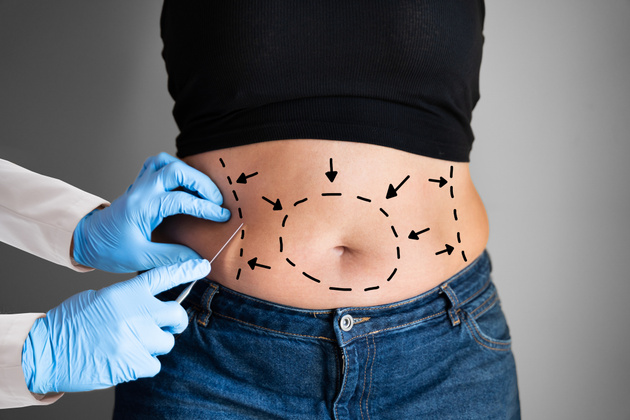
What Happens Immediately After Liposuction Surgery?
The first stage of recovery begins right after the procedure. Patients are usually monitored for a short period before going home the same day, as liposuction is commonly performed as an outpatient surgery.
During the first 24–48 hours, the body starts the healing process. You may experience:
Mild to moderate swelling
Bruising in the treated area
Fluid drainage from small incision sites
Temporary numbness or tightness
Mild discomfort or soreness
Compression garments are typically worn immediately after surgery to reduce swelling and support the new body contours. These garments help control fluid buildup and improve skin retraction. Pain during this stage is usually manageable with prescribed medications. Most patients are encouraged to walk lightly within a few hours after surgery to improve blood circulation and reduce the risk of blood clots.
How Does Recovery Progress During the First Week?
The first week is a critical stage of recovery. While discomfort and swelling are still present, many patients start to feel better within a few days.
During days 3 to 7, you may notice:
Gradual reduction in swelling
Bruising beginning to fade
Improved mobility
Reduced pain and tenderness
Patients are often able to return to light daily activities within this timeframe. However, heavy lifting, strenuous exercise, and intense physical activity should still be avoided.
Proper care during this period includes:
Wearing compression garments continuously
Drinking plenty of water to support healing
Avoiding salty foods that increase swelling
Following all post-operative instructions carefully
Taking these steps can significantly improve recovery and reduce complications.
When Can Patients Return to Work and Normal Activities?
Returning to work depends on the type of job and the extent of the procedure. Most individuals who have desk-based jobs can return to work within 7 to 10 days.
Light walking is encouraged early in the recovery process, but more intense exercise should usually wait until 3 to 4 weeks after surgery.
Patients should also avoid:
High-impact workouts
Heavy lifting
Swimming or hot tubs during early healing
Tight clothing that may irritate incision areas
Gradually increasing physical activity allows the body to adapt and heal properly without placing unnecessary strain on treated areas.
Reviews from Individuals Who Experienced Liposuction Recovery
Many patients who undergo liposuction share similar recovery experiences, highlighting improvements in body shape and confidence once healing is complete.
“The first few days involved swelling and soreness, but by the second week I could already see the difference in my body shape. Wearing the compression garment really helped.””
Recovery was easier than I expected. I returned to work after about a week and felt almost normal within a month.”
“At first I was worried about swelling, but once it started going down, the results became more visible. The final outcome was worth the short recovery period.”
These experiences reflect the typical healing process and demonstrate that patience during recovery often leads to satisfying results.
How Long Does It Take to See Final Results?
Although some improvements appear soon after surgery, the final results take time to fully develop.
During the first few weeks, swelling may temporarily hide the final body contours. As swelling gradually decreases, the treated area begins to reveal smoother and more defined shapes.Most patients notice significant improvements by 4 to 6 weeks, but the final outcome usually appears after 3 to 6 months.
The timeline depends on several factors:
Amount of fat removed
Number of treated areas
Individual healing ability
Lifestyle habits such as diet and exercise
Maintaining a healthy lifestyle is important to preserve the results long term.
Quick Overview of the Liposuction Recovery Timeline
| Recovery Stage | What Happens | Typical Duration |
|---|---|---|
| Immediate Post-Surgery | Swelling, bruising, mild discomfort | 1–2 days |
| Early Recovery | Reduced swelling, light movement possible | 3–7 days |
| Return to Work | Light duties resume | 7–10 days |
| Moderate Healing | Swelling decreases, improved comfort | 2–4 weeks |
| Visible Results | Body contours begin appearing | 4–6 weeks |
| Final Results | Full healing and contour definition | 3–6 months |
This table provides a general overview, but individual recovery times can vary.
What Factors Affect the Liposuction Recovery Timeline?
Every person heals differently, and several factors influence how quickly recovery occurs.
1. Amount of Fat Removed
Larger fat removal procedures may require longer recovery times because the body needs more time to heal.
2. Number of Treated Areas
Treating multiple areas during one session can increase swelling and extend the recovery period.
3. Age and Health
Younger individuals and those in good health often heal faster.
4. Post-Operative Care
Following instructions carefully—especially wearing compression garments and attending follow-ups—can accelerate healing.
5. Lifestyle Habits
Smoking, poor diet, and dehydration can slow the recovery process.
Understanding these factors helps patients prepare for a smoother healing journey.
How Can Patients Speed Up the Healing Process?
Although recovery naturally takes time, certain practices can help the body heal more efficiently.
Follow Post-Surgery Instructions
Carefully following medical advice is one of the most important aspects of recovery.
Wear Compression Garments
These garments reduce swelling and support the skin as it adapts to new contours.
Stay Hydrated
Drinking water helps remove excess fluids and supports tissue repair.
Eat Nutrient-Rich Foods
Foods high in protein, vitamins, and minerals assist the body in rebuilding tissue.
Avoid Smoking and Alcohol
These substances slow healing and increase the risk of complications.
Walk Lightly
Gentle movement improves circulation and prevents stiffness.
By combining these habits, many patients experience faster recovery and better results.
Are There Any Temporary Side Effects During Recovery?
Yes, some temporary side effects are normal after liposuction. These usually resolve within a few weeks.
Common temporary effects include:
Swelling and bruising
Mild numbness
Skin firmness or tightness
Slight unevenness during early healing
Fluid drainage from incision sites
These symptoms gradually improve as the body heals and adapts to its new shape.
However, patients should contact their surgeon if they experience severe pain, excessive swelling, or signs of infection.
What Long-Term Changes Should Patients Expect?
Once the recovery process is complete, the body typically appears slimmer and more proportionate. Liposuction permanently removes fat cells from treated areas, meaning those fat cells cannot return.
However, maintaining results depends on lifestyle choices. Significant weight gain can cause remaining fat cells to expand.
To maintain long-term outcomes, patients should focus on:
Balanced nutrition
Regular exercise
Healthy hydration
Stable body weight
These habits help preserve the body contour achieved through liposuction.
Final Thoughts
Understanding the recovery timeline is a crucial part of preparing for body contouring procedures. While liposuction provides noticeable improvements in body shape, patience during healing is essential to see the full results .Recovery typically occurs in stages—from initial swelling during the first few days to visible improvements within a few weeks and final contouring over several months. Following post-operative care guidelines, maintaining healthy habits, and allowing the body enough time to heal all contribute to successful outcomes .One important perspective that many people overlook is that liposuction should be viewed as a body sculpting procedure rather than a weight-loss solution. The goal is to refine and reshape specific areas rather than dramatically reduce body weight. Another key consideration is that emotional satisfaction often grows gradually. As swelling decreases and contours become clearer, many individuals report increased confidence and improved body image. The transformation is not just physical but also psychological .Additionally, modern liposuction techniques continue to evolve, meaning recovery times are generally shorter than in the past. With proper care and realistic expectations, patients can enjoy smoother contours and long-lasting improvements .Ultimately, a well-informed approach helps individuals feel confident and prepared before undergoing liposuction, ensuring both a smoother recovery and more satisfying final results.