You’ve been putting it off. The bulging veins on your calves have been there for a while now maybe a year, maybe longer. Some days they ache. Some days your legs feel so heavy by evening that sitting down is the only relief. You’ve tried compression socks. You’ve elevated your legs at night. And yet, every morning when you get dressed, they’re still there.
This is the reality for millions of people living with varicose veins. Not just a cosmetic annoyance a daily physical burden that affects how you move, how you sleep, and how comfortable you feel in your own body.
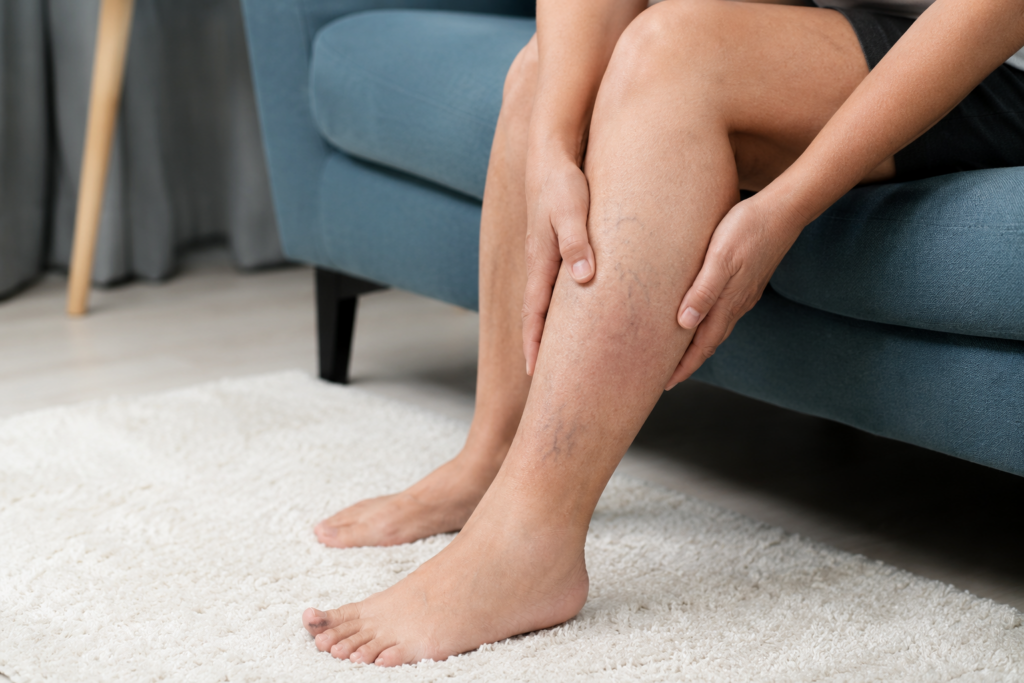
The good news? The treatment for varicose veins has never been better. Today’s options are minimally invasive, highly effective, and require little to no downtime. The question isn’t whether treatment works it’s which treatment is right for you.
At MVM Health in Bethlehem, Pennsylvania, our vein specialists have helped hundreds of Lehigh Valley patients find lasting relief. This guide explains the real problem behind varicose veins, every treatment option available, and how to choose.
Why Varicose Veins Form and Why They Don’t Go Away on Their Own
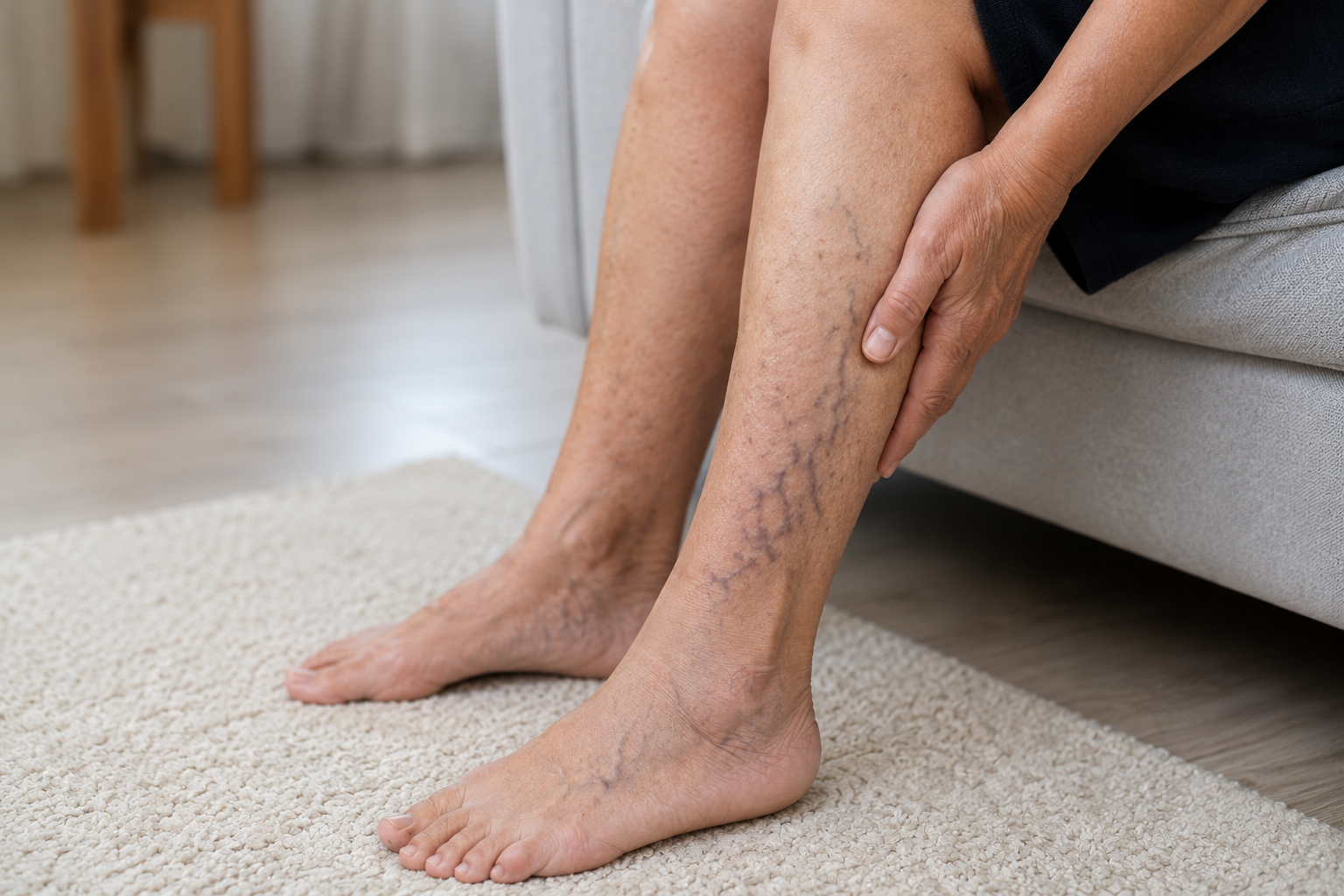
Varicose veins aren’t just stretched skin. They’re a structural failure inside the vein itself. Your leg veins contain tiny one-way valves that push blood upward toward the heart. When those valves weaken due to genetics, prolonged standing, pregnancy, or age, blood flows backward and pools in the vein. The vessel wall stretches under the pressure, becoming enlarged, twisted, and visible through the skin.
That process is called venous reflux. And once it starts, it doesn’t reverse on its own. Without treatment, the pressure continues to build. Symptoms worsen. Skin changes appear. In advanced cases, the pooling leads to ulcers near the ankle that are slow and difficult to heal.
Compression stockings manage the symptoms. They don’t fix the underlying valve failure. For lasting improvement, the diseased vein itself needs to be closed off or removed, redirecting blood through the healthy veins around it.
Who Is Most Affected?
Varicose veins affect about 1 in 3 adults. Certain groups are at higher risk:
- People with a family history of varicose veins or venous insufficiency
- Women, particularly those who’ve been pregnant more than once
- Anyone who spends long hours standing — nurses, teachers, retail workers, tradespeople
- Adults over 40, as vein walls lose elasticity with age
- People who are overweight, which increases pressure on the leg veins
In the Lehigh Valley, where healthcare, education, and manufacturing employ a large share of the workforce, varicose vein symptoms are an everyday reality for a significant portion of the working population. Many people manage for years before realizing that effective, accessible treatment is right in Bethlehem.
When Symptoms Tell You It’s Time to Act
Not every varicose vein demands immediate treatment. But these symptoms are signals that the underlying venous disease is progressing and that waiting is making things worse, not better:
- Leg heaviness or fatigue that builds through the day
- Persistent aching, throbbing, or cramping in the calves
- Swelling in the ankles or feet that doesn’t resolve overnight
- Itching, burning, or a sensation of heat over the vein
- Skin darkening or thickening near the inner ankle
- A vein that has bled or feels tender to the touch
- A sore near the lower leg or ankle that is slow to heal
If any of these sound familiar, a consultation with a vein specialist is the right next step — not another few months of waiting.
The Best Treatments for Varicose Veins in 2025
The era of hospital-based vein stripping surgery is largely over. Today’s treatments are office-based, guided by ultrasound, performed under local anesthesia, and designed to get you back on your feet the same day. Here’s a clear breakdown of every major option.
1. Endovenous Laser Ablation (EVLA)
EVLA is the gold standard for treating the great saphenous vein the long superficial vein that runs up the inner leg and is the most common source of varicose vein reflux.
How it works: A thin laser fiber is inserted into the diseased vein through a small puncture in the skin, guided into position by ultrasound. Laser energy is delivered along the vein’s length, generating heat that seals the vessel shut. The body absorbs the closed vein over the following weeks. Blood naturally reroutes through healthier adjacent veins.
The procedure takes 45–60 minutes. No general anesthesia. No hospital. Most patients walk out and return to light activity the same day. Clinical success rates exceed 95% at one year.
2. Radiofrequency Ablation (RFA)
RFA works on exactly the same principle as EVLA closing the diseased vein with thermal energy — but uses radiofrequency waves rather than laser. The outcomes are clinically equivalent. Some patients experience slightly less bruising and post-procedure discomfort with RFA, making it a useful option for those who are more sensitive.
Both EVLA and RFA are considered first-line treatment for significant saphenous reflux. Your vein specialist will recommend the better fit based on your anatomy and the ultrasound findings.
3. Sclerotherapy
Sclerotherapy is the most widely used treatment for smaller varicose veins and spider veins. A chemical solution is injected directly into the diseased vein using a fine needle, irritating the vessel wall and causing it to seal shut. The treated vein fades over the following 3–6 weeks as the body absorbs it.
Standard sclerotherapy handles surface-level varicosities. For deeper or larger veins, foam sclerotherapy where the sclerosant is mixed into foam to maximize vessel wall contact is used under ultrasound guidance. Multiple sessions are sometimes needed, depending on the extent of the veins.
4. Microphlebectomy
For varicose veins that are large, bulging, and close to the skin surface, microphlebectomy offers direct physical removal. Through a series of tiny punctures alongside the vein each no larger than a pinprick segments of the vein are extracted using a small hook. No sutures required. The incisions heal on their own, typically leaving no visible marks.
Microphlebectomy is often performed at the same appointment as EVLA or RFA: ablation treats the underlying refluxing saphenous vein, while microphlebectomy removes the visible surface tributaries that won’t disappear with ablation alone.
5. Compression Therapy
Compression stockings don’t treat varicose veins but they are the cornerstone of symptom management and are often required before insurance will authorize interventional treatment. Graduated compression (stronger at the ankle, reducing up the leg) reduces venous pooling, limits swelling, and relieves daily discomfort.
If you haven’t been prescribed medical-grade compression stockings, your vein specialist will likely recommend a trial period before proceeding to a procedure. This isn’t a delay tactic it’s the clinical pathway that most insurance policies require, and in some patients with mild disease, it’s sufficient on its own.
Which Treatment Is Actually Best for You?
The honest answer: it depends on your specific anatomy, the ultrasound findings, and what’s driving your varicose veins. There’s no universal “best” treatment there’s only the right treatment for your individual venous system.
A patient with great saphenous reflux driving large leg varicosities will likely need EVLA or RFA, possibly combined with microphlebectomy for surface veins. A patient with smaller tributary varicosities and no underlying saphenous reflux may be fully treated with sclerotherapy alone.
This is why the diagnostic duplex ultrasound is non-negotiable. Without it, any treatment recommendation is a guess. With it, your vein specialist in Bethlehem PA can map exactly which veins are refluxing, in which direction, and to what degree and design a precise treatment plan accordingly.
Vein Specialist in Bethlehem, PA: What to Expect at MVM Health
MVM Health’s Bethlehem location offers the full range of varicose vein treatments for patients across the Lehigh Valley Bethlehem, Allentown, Easton, and surrounding communities. Our vascular specialists bring clinical depth to every case, and every patient starts with the same foundation: a proper diagnosis.
Your First Visit
Your initial consultation at MVM Health includes a clinical assessment and, where indicated, a venous duplex ultrasound performed on-site. The ultrasound maps your venous system in real time identifying which valves are failing, where reflux is occurring, and what treatment will actually address the root cause.
After the scan, your provider reviews the findings with you directly. No jargon. No pressure. Just a clear explanation of what’s happening and what your options are.
Treatment, Recovery, and Follow-Up
Most varicose vein procedures at MVM Health are completed in under an hour and performed under local anesthesia. You walk in and walk out. Compression stockings are worn for 1–2 weeks post-procedure. Strenuous activity is restricted for a short period, but normal daily activity resumes the same day.
A follow-up duplex ultrasound is scheduled at 1–2 weeks to confirm the vein has closed successfully. Additional sessions, if needed for surface tributaries or residual veins, are planned at that visit.
Insurance and Coverage
Varicose vein treatment is covered by most major insurance plans when there is documented venous reflux on ultrasound and the patient has trialed compression therapy. Our team handles verification and prior authorization before your procedure so you know exactly what to expect financially before anything begins.
Frequently Asked Questions
What is the most effective treatment for varicose veins?
For most patients, endovenous laser ablation (EVLA) or radiofrequency ablation (RFA) is the most effective treatment for the underlying source of varicose veins the refluxing saphenous vein. Both have success rates above 95% at one year and require no hospital stay. The right choice depends on your ultrasound findings, which your vein specialist will review with you.
Can varicose veins come back after treatment?
A treated vein is permanently closed it won’t reopen. However, new varicose veins can develop over time in adjacent vessels, especially if the underlying risk factors (genetics, prolonged standing, weight) remain. Follow-up monitoring helps catch new insufficiency early before it progresses.
Is varicose vein treatment painful?
Modern treatments are performed under local anesthesia and are well-tolerated by the vast majority of patients. EVLA and RFA involve mild pressure and warmth during the procedure but are not painful. Sclerotherapy causes a brief stinging sensation at the injection site. Post-procedure soreness and bruising are normal and resolve within 1–2 weeks.
How long does recovery take?
Most patients return to normal daily activities the same day. Walking is encouraged immediately. Strenuous exercise, heavy lifting, and prolonged air travel are restricted for 2–4 weeks. There is no hospitalization and no general anesthesia, so recovery is far faster than traditional vein stripping surgery.
Will my insurance cover varicose vein treatment?
In most cases, yes provided you have documented symptoms, confirmed reflux on ultrasound, and have completed a trial of compression therapy. Purely cosmetic treatment (spider veins with no symptoms) is typically not covered. MVM Health’s team verifies your specific coverage before treatment begins so there are no surprises.
How do I know if I need treatment or just compression stockings?
If you have visible varicose veins and any physical symptoms aching, swelling, heaviness, skin changes a vein specialist evaluation is the right call. Compression stockings manage symptoms but don’t treat the underlying valve failure. Only a duplex ultrasound can determine whether you have significant reflux that warrants intervention. The evaluation itself is simple, painless, and typically covered by insurance.
Is there a vein specialist near Bethlehem, PA?
Yes. MVM Health‘s Bethlehem location provides comprehensive varicose vein evaluation and treatment for patients across the Lehigh Valley. Services include on-site duplex ultrasound, EVLA, RFA, sclerotherapy, and microphlebectomy with same-day procedures and flexible scheduling.