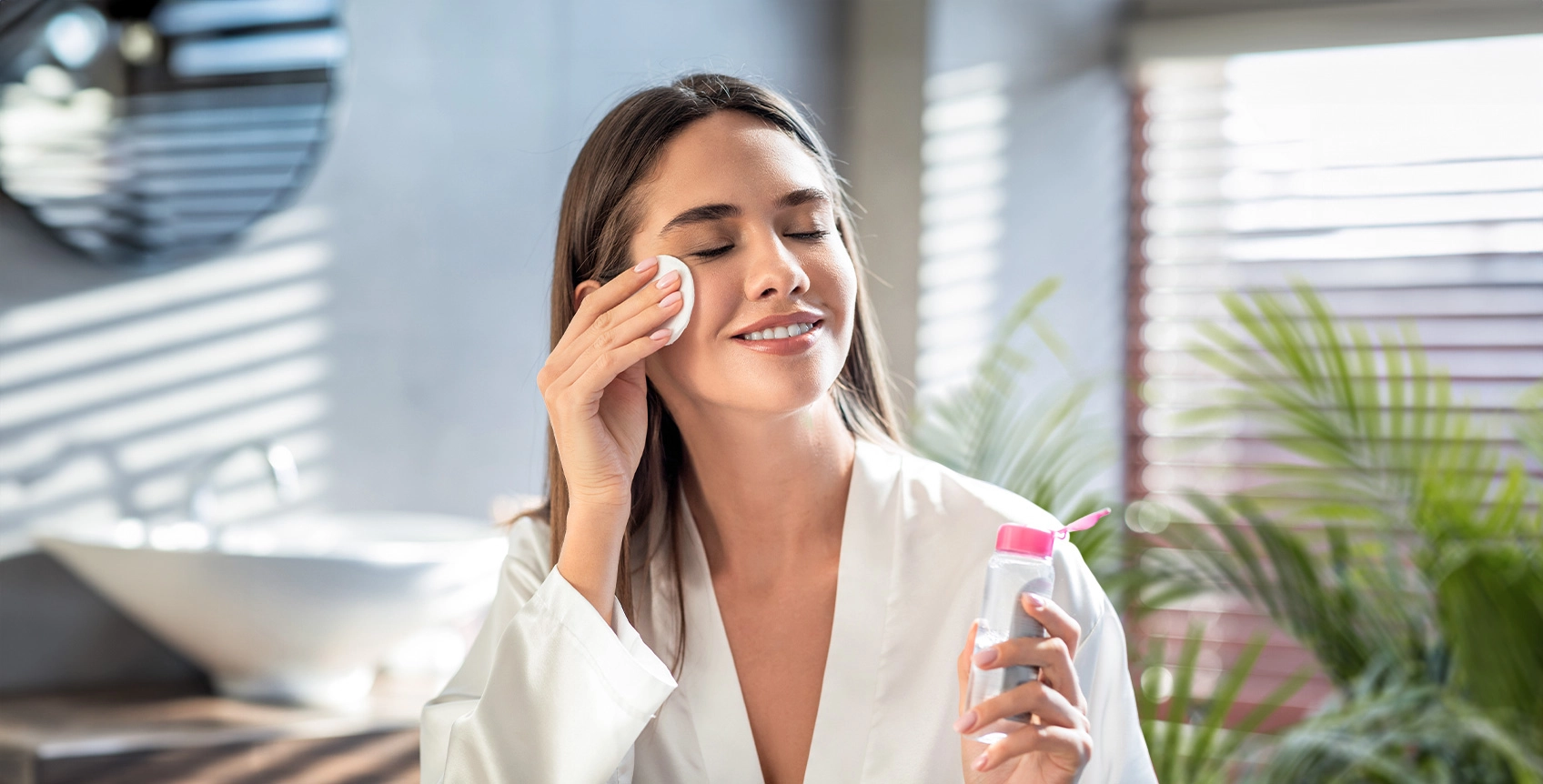
A woman can spend years caring for her face and still feel confused by the mirror. The cleanser feels “deep.” The toner feels “active.” The serum tingles. The scrub leaves the skin bright for one hour, then tight by bedtime.
Nothing looks wrong at first. That is the tricky part.
Some products do not age the skin overnight. They slowly make it look tired by drying the surface, upsetting the barrier, increasing sensitivity, or making sun exposure more stressful. The real conversation about ingredients that age your skin is not about fear. It is about learning which choices may work against the glow women are trying to protect.
Better skin does not always need more products. Sometimes, it needs fewer irritants, better timing, and kinder formulas.
Key Takeaways
- A tired look often begins with barrier stress.
- Strong does not always mean better.
- Sun sensitivity changes how certain products behave.
- Gentle swaps can make a routine feel calmer and more effective.
Why Skin Starts Looking Older
Skin can look older when it becomes dry, inflamed, rough, dull, or uneven. Fine lines may appear stronger when the surface lacks moisture. Texture may look sharper when the barrier is disturbed. Dark spots can become more noticeable when sun protection is inconsistent.
The skin barrier is like a quiet guard. It helps hold water in and keeps irritants out. When products strip it too often, the face may start feeling tight, shiny, itchy, or tender. Many women mistake that feeling for “clean” or “active,” but it may be a warning.
Ingredients that age your skin are usually not villains in every formula. Some can be useful in the right amount, at the right time, and for the right skin type. The problem begins when they are too strong, too frequent, or poorly matched to the person using them.
Which Ingredients Need More Caution?
The five ingredients or product categories below deserve careful attention because they can make skin look older when they cause dryness, irritation, sensitivity, or avoidable sun stress.
The goal is not panic. The goal is a smarter use.
1. Drying Alcohols in Leave-On Products
Alcohol is not always bad in skincare. Some alcohols help formulas feel lighter. Some fatty alcohols, such as cetyl alcohol or stearyl alcohol, can even support texture and softness.
The concern is with drying alcohols in leave-on products, especially when they appear high on the ingredient list. These may make a product feel fast drying and fresh, but repeated use can leave certain skin types feeling tight, flaky, or reactive.
That tight feeling can make lines look deeper than they are. Makeup may settle faster. Skin may look less plump because the surface is thirsty.
A better swap is a formula with humectants and barrier-friendly ingredients. Look for glycerin, hyaluronic acid, aloe, panthenol, ceramides, or nourishing plant oils in balanced formulas. For women with dry or mature skin, comfort should matter as much as finish.
2. Harsh Foaming Cleansing Agents
A big foam can feel satisfying. It can also trick the mind into thinking the skin is cleaner than it needs to be.
Strong foaming agents, including sodium lauryl sulfate in some products, may bother sensitive or dry skin when used too often or in harsh formulas. The face may feel squeaky after washing, but that squeak can signal that natural oils have been over-removed.
Clean skin should feel soft, not stretched.
Instead, choose a gentle cleanser that removes daily buildup without leaving the skin uncomfortable. Cream cleansers, milk cleansers, and mild gel cleansers can work well depending on skin type. A good cleanser should disappear after rinsing, but the face should not feel punished.
This is one of the easiest swaps because cleansing happens every day. A kinder wash can change the mood of the whole routine.
3. Heavy Fragrance And Essential Oils
Scent can make skincare feel luxurious. A rose note, citrus lift, or herbal aroma may turn a simple cream into a ritual.
Still, fragrance can be a common reason skin becomes irritated, especially for reactive skin. Essential oils can also be tricky. They may be natural, but natural does not always mean gentle. Some plant aromas contain many chemical components, and sensitive skin may not appreciate them.
Irritation matters because skin that is repeatedly bothered may look red, uneven, rough, or tired. It may also become harder to judge whether a product is helping because the scent ingredients are creating background noise.
The smarter swap is not always scent-free for everyone. Some women tolerate light fragrance well. But if the face burns, itches, or flushes after use, choosing fragrance-free or lower scent formulas may be a wise move. Hydrosols, gentle botanicals, and calming ingredients can still make skincare feel beautiful without overwhelming the skin.
4. Overused Acids Without Protection
Alpha hydroxy acids and similar exfoliating ingredients can improve the look of dullness and rough texture when used carefully. They help remove dead surface cells, which can make skin appear smoother and brighter.
But too much exfoliation can turn glow into irritation.
The FDA notes that alpha hydroxy acid products may increase skin sensitivity to the sun and the possibility of sunburn, so sun protection matters when these products are used. If acids are layered too often, or used without daytime protection, skin may become more vulnerable to the very damage a woman is trying to reduce.
A better swap is controlled exfoliation. Use mild acids less often, avoid layering several active products at once, and support the skin with moisturizer. For many women, once or twice a week is more realistic than daily resurfacing. Skin should look fresh afterward, not raw.
5. SPF Free Tanning Products
Some products are not harmful because of one ingredient alone. They become a problem because of the behavior they encourage.
Tanning oils, glow oils, or shimmer products used in direct sun without proper protection can make the skin look radiant for a moment while exposing it to long-term stress. UV exposure is one of the strongest outside factors linked with visible skin aging and skin damage.
The University of Tennessee Health Science Center notes that the average tanning bed gives off 2 to 10 times more UV radiation than the sun. That number should make any glow seeker pause.
The better swap is simple: choose daily broad-spectrum sunscreen, protective clothing, shade, and antioxidant-rich skincare for supportive care. A healthy glow should not come at the cost of future skin comfort.
The Smarter Swap Table
| Ingredient Concern | Why It Can Be A Problem | Better Swap | Simple Skin Cue |
| Drying alcohols | Can leave skin tight or flaky | Humectant-rich hydration | Skin feels flexible |
| Strong foaming agents | May strip natural oils | Gentle cleanser | No tight feeling |
| Heavy fragrance | May irritate reactive skin | Low scent or fragrance-free care | Less stinging |
| Overused acids | Can increase sensitivity | Mild scheduled exfoliation | Smooth, not raw |
| SPF-free tanning products | Encourages UV exposure | Sunscreen and shade | Glow without burn |
The best routine is not the one with the loudest claims. It is the one that makes skin feel steady, comfortable, and cared for.
How To Read Labels Calmly
A label can feel overwhelming, but it becomes easier when a shopper knows what to look for.
Use this simple filter:
- Find the product’s main job
Is it cleansing, hydrating, exfoliating, brightening, or protecting? - Check the first five ingredients
These usually shape much of the formula’s feel. - Notice scent words
Fragrance, perfume, essential oils, and citrus oils may matter for sensitive skin. - Watch for active stacking
Acids, retinoids, and strong treatments should not all be layered without care. - Respect the skin’s response
Burning, peeling, and tightness are not proof of progress.
This approach keeps buying decisions grounded. It also helps women stop chasing trends that make the routine busier but not better.
What Most Women Misread
Many women believe tingling means a product is working. Sometimes it does. Often, it simply means the skin is not happy.
Another common belief is that oil-free is always better. Dry or mature skin may need lipids to look soft and calm. Removing every trace of oil can leave the face looking flat.
Some also believe stronger exfoliation equals faster renewal. In reality, the skin barrier needs time. If the face becomes red, shiny, and tender, the routine may have crossed the line.
The most beautiful progress often feels quiet. Less sting. Less tightness. Less redness. More softness. More consistency.
A Realistic Routine Reset
Imagine a woman who notices her skin looks older by Friday than it did on Monday. Her routine includes a foaming cleanser, alcohol rich toner, acid serum, scented moisturizer, and weekend tanning oil. Each product seems normal on its own. Together, they create stress.
A reset does not require throwing everything away at once.
She starts by changing the cleanser. Then she pauses the toner. Next, she uses acids only once weekly. She adds a richer moisturizer at night and sunscreen in the morning. Within a few weeks, her skin may begin to feel less dramatic and more settled.
That is not magic. That is relief.
What To Use Instead
When replacing harsh skincare ingredients, think in roles rather than trends.
For cleansing, choose mild and comfortable. For hydration, use water-loving ingredients such as glycerin or hyaluronic acid. For barrier support, look for ceramides, fatty acids, nourishing oils, or soothing botanical elements. For brightness, consider stable vitamin C formulas or gentle exfoliation with sun protection. For visible firmness, peptides can be a thoughtful addition.
A routine can be simple and still feel premium. Morning care may include a gentle cleanse, hydration, moisturizer, and sunscreen. Evening care may include cleanser, targeted serum, and nourishing cream. If the skin is sensitive, fewer steps may be better.
When To Pause A Product
A product should be paused when the skin keeps burning, itching, peeling, swelling, or turning red after use. Temporary adjustment can happen with some active ingredients, but ongoing discomfort deserves attention.
The face should not feel like a battleground. Beauty care should help the skin feel supported.
If a reaction continues, a dermatologist or qualified skincare professional can help identify whether the issue is irritation, allergy, overuse, or something unrelated to cosmetics.
Final Thoughts On Skin Wise Choices
The truth about ingredients that age your skin is more practical than scary. Many concerns come from using the wrong formula too often, skipping protection, or ignoring early signs of irritation. A calmer routine can help the skin look fresher because it gives the barrier room to recover. Fusion Botanicals creates artisan-made creams, lotions, bath products, and beauty essentials in small batches for women seeking thoughtful care rooted in mostly natural ingredients.
FAQs
What Ingredients Can Make Skin Look Older?
Ingredients that dry, irritate, or weaken the skin barrier can make skin look older. Strong foams, heavy fragrance, and overused acids may cause dullness, tightness, or a rough texture.
How Can Women Replace Harsh Skincare Products?
Start with gentler formulas that clean, hydrate, and comfort the skin. A mild cleanser, nourishing cream, and daily sunscreen can make a big difference.
Why Does Skin Feel Tight After Washing?
Tightness often means the cleanser removed too much natural moisture. Skin should feel fresh after washing, not stretched or dry.
What Makes A Routine More Skin-Friendly?
A skin-friendly routine uses fewer harsh steps, supports moisture, and gives the barrier time to recover. Comfort should come before strong product claims.
When Should A Product Be Removed From A Routine?
Remove a product when it causes repeated stinging, dryness, redness, or peeling. A good product should help skin feel calmer with consistent use.