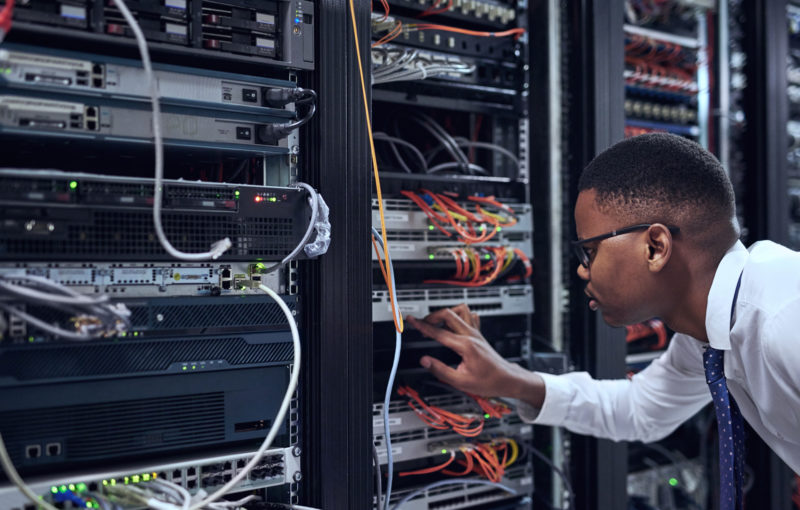
Businesses depend on servers and storage systems to run daily operations. These systems support important applications, business files, customer data, websites, email, and many other services. When hardware stops working, employees may not be able to access the tools and data they need. Even a short outage can affect work, customer service, and revenue.
Regular DellEMC Maintenance can help businesses keep their IT hardware in good working condition. Planned maintenance helps find possible hardware problems early, reduce unexpected failures, and control repair costs. It also gives IT teams a better way to manage older equipment and plan replacements when needed.
What Causes IT Downtime
IT downtime can happen for many reasons. Hardware failure is one of the common causes. A damaged drive, failing power supply, memory problem, cooling issue, or other hardware fault can affect the operation of a server or storage system.
Poor maintenance can make these problems harder to identify. Small warning signs may be missed until the equipment stops working. When this happens, the IT team may need to spend more time finding the cause and restoring the system.
Other causes of downtime can include overheating, failed components, storage problems, outdated hardware, and unexpected system errors. A regular maintenance plan can help reduce the risk of some of these problems.
Finding Problems Before They Become Serious
One of the main benefits of DellEMC Maintenance is early problem detection. IT teams can check hardware condition and look for signs that a component may be close to failure.
For example, a storage drive that is showing errors may still be working, but it could fail later. Finding the issue early gives the business time to replace the drive before it causes a larger problem.
The same approach can be used for other hardware components. Regular checks can help identify unusual system behavior, cooling problems, power issues, and other concerns.
Early detection does not guarantee that downtime will never happen. However, it can help businesses prepare for problems instead of dealing with them without warning.
Reducing Emergency Repair Costs
Emergency repairs can be expensive. When a server or storage system fails without warning, a business may need urgent technical support and replacement parts. Employees may also be unable to work while the problem is being fixed.
Planned maintenance can help reduce these unexpected expenses. When an IT team knows that a component needs attention, it can plan the repair during a suitable maintenance window.
This approach may also make it easier to source replacement parts and arrange technical support. Instead of making a rushed decision after a failure, the business can plan the work in advance.
Improving Hardware Performance
Hardware that is not maintained properly may develop performance issues over time. Storage systems may become less efficient, while servers can experience problems caused by failed or weak components.
Regular DellEMC Maintenance helps IT teams review the condition of equipment and address problems that may affect performance.
Maintenance may include checking hardware health, reviewing system alerts, inspecting components, and checking storage devices. These basic steps can help IT teams understand the current condition of their equipment.
Good maintenance also helps businesses make better decisions about repairs, upgrades, and replacement schedules.
Supporting Business Continuity
Business continuity means keeping important business activities running when technical problems occur. Servers and storage systems often play a major role in this process.
If important hardware fails, employees may lose access to applications or data. Depending on the system, the business may also face delays in customer service and internal operations.
A planned maintenance program can support business continuity by reducing avoidable hardware problems. IT teams can identify equipment that needs attention and schedule work before a serious failure occurs.
Maintenance should also be part of a wider IT plan that includes backups, monitoring, security, and disaster recovery.
Managing Older DellEMC Hardware
Many businesses continue to use older servers and storage systems because replacing all equipment at once can be costly. Older hardware may still meet business needs when it is properly managed.
However, older equipment can require more attention. Replacement parts may become harder to find, and the risk of component failure can increase as hardware ages.
DellEMC Maintenance can help businesses monitor older equipment and decide when repairs are practical and when replacement makes more sense.
This can help companies avoid replacing hardware too early while also reducing the risk of relying on equipment that is no longer suitable for business needs.
Creating a Maintenance Schedule
A good maintenance plan should be based on the business environment and the type of hardware being used. IT teams can create a schedule for regular hardware checks and system reviews.
The schedule may include checking server components, reviewing storage health, inspecting cooling systems, checking power supplies, and reviewing system alerts.
It is also important to keep maintenance records. These records can show which components have been replaced, what problems have been found, and when future checks are due.
A clear maintenance history can help IT teams identify repeated problems and plan future hardware spending.
Choosing the Right Maintenance Approach
Businesses should consider their hardware age, workload, system importance, and available IT resources when creating a maintenance plan.
Some systems may require more frequent checks because they support critical applications. Other equipment may need less frequent attention.
Professional DellEMC Maintenance can provide businesses with support for hardware checks, troubleshooting, component replacement, and other maintenance needs. The right approach depends on the equipment and the business requirements.
Final Thoughts
IT downtime can affect productivity, customer service, and business costs. While no maintenance plan can remove every risk, regular hardware care can help reduce unexpected problems.
DellEMC Maintenance gives businesses a planned way to monitor server and storage equipment, identify possible faults, manage older hardware, and schedule repairs. By dealing with small problems before they become major failures, businesses can reduce the chance of long outages and avoid some emergency repair costs.
A simple and consistent maintenance plan can make IT hardware easier to manage and help businesses get more value from their existing systems.