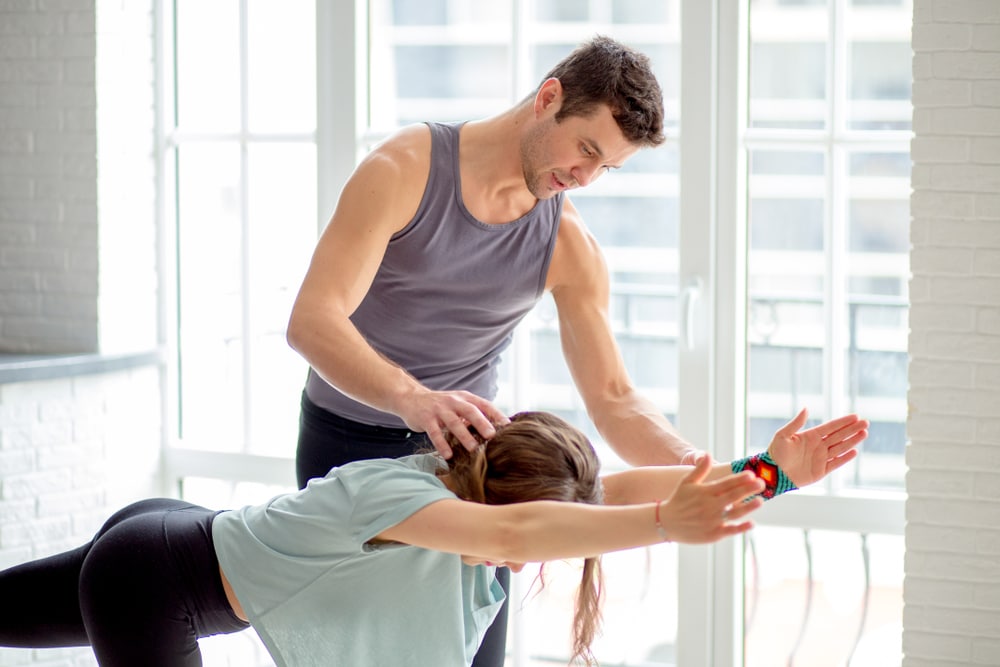
Poor posture affects more than appearance. It can lead to muscle tension, discomfort, reduced mobility, and ongoing physical strain. Many people spend hours sitting at desks, looking at screens, or repeating the same movements throughout the day. In the middle of addressing these challenges, a Corrective Exercise Program can help restore balance and support healthier movement patterns. By targeting the root causes of postural issues, individuals can improve comfort, function, and overall well-being.
Understanding Posture and Its Role in Health
Posture refers to the way the body aligns while sitting, standing, walking, or performing activities. Good posture keeps bones, joints, and muscles working efficiently. It also reduces unnecessary stress on the body.
When posture becomes compromised, certain muscles become overactive while others weaken. This imbalance often leads to discomfort, restricted movement, and reduced physical performance. Over time, poor posture can affect daily activities and increase the risk of injury.
Maintaining proper alignment allows the body to move naturally and efficiently. It supports breathing, circulation, and overall physical function.
What Is Corrective Exercise?
Corrective Exercise is a targeted approach designed to identify and address movement dysfunctions and muscular imbalances. Rather than focusing solely on strength or endurance, it aims to improve the quality of movement.
Fitness professionals often use assessments to identify areas of weakness, tightness, or instability. Based on these findings, they create exercises that help restore balance throughout the body.
This method is commonly used by fitness trainers, physical therapists, and rehabilitation specialists. It can benefit people of various ages and activity levels.
Common Postural Problems People Experience
Many individuals develop posture-related issues due to modern lifestyles and repetitive habits.
Forward Head Posture
This condition occurs when the head moves forward from its ideal alignment. It often develops from prolonged screen use and poor workstation setup.
Forward head posture can lead to:
- Neck pain
- Shoulder tension
- Headaches
- Reduced neck mobility
Rounded Shoulders
Rounded shoulders happen when the shoulders roll forward and inward. This often results from prolonged sitting and weak upper back muscles.
Common symptoms include:
- Upper back discomfort
- Limited shoulder mobility
- Muscle tightness
- Reduced athletic performance
Excessive Lower Back Arch
An exaggerated arch in the lower back may result from tight hip flexors and weak abdominal muscles.
This imbalance can contribute to:
- Lower back pain
- Hip discomfort
- Poor movement mechanics
- Reduced core stability
Slouched Sitting Position
Many people spend several hours each day sitting improperly. Over time, this habit can place excessive stress on the spine and surrounding muscles.
Why Corrective Exercise Is Essential for Posture Health
Corrective Exercise provides solutions that address the causes of poor posture rather than simply managing symptoms.
Identifies Underlying Muscle Imbalances
Poor posture rarely develops without reason. It often stems from muscles that are either too tight or too weak.
Assessment-based training helps identify these issues. Once the root causes become clear, specific exercises can target problem areas more effectively.
Addressing the source of dysfunction often produces longer-lasting improvements than temporary fixes.
Improves Body Awareness
Many people are unaware of how they stand, sit, or move throughout the day.
Corrective Exercise increases awareness of body positioning and movement patterns. As individuals become more conscious of their posture, they can make healthier adjustments during everyday activities.
This improved awareness often leads to better habits both inside and outside the gym.
Restores Proper Movement Patterns
Healthy movement relies on coordination among muscles, joints, and the nervous system.
When posture is compromised, movement efficiency often suffers. Corrective exercises retrain the body to move properly by reinforcing optimal patterns.
As movement quality improves, daily activities become easier and more comfortable.
Reduces Stress on Joints
Poor alignment places additional stress on joints throughout the body.
For example, forward head posture increases pressure on the cervical spine. Similarly, rounded shoulders can affect shoulder joint function.
By improving alignment, Corrective Exercise helps distribute forces more evenly across the body. This reduces unnecessary wear and tear on joints.
How Corrective Exercise Helps Relieve Pain
Pain is one of the most common reasons people seek posture improvement.
Decreases Muscle Tension
Overactive muscles often become tight and uncomfortable.
Targeted stretching and mobility work help reduce excessive tension while improving flexibility. As tight muscles relax, discomfort frequently decreases.
Strengthens Weak Areas
Weak muscles struggle to support proper alignment.
Strengthening exercises focus on areas that contribute to posture stability, such as:
- Core muscles
- Upper back muscles
- Glute muscles
- Deep neck stabilizers
When these muscles become stronger, posture naturally improves.
Enhances Joint Mobility
Restricted joints can force the body into compensatory positions.
Mobility exercises improve range of motion and allow joints to move more freely. This contributes to healthier posture and reduced discomfort.
The Connection Between Posture and Athletic Performance
Posture influences more than daily comfort. It also affects physical performance.
Better Movement Efficiency
Athletes rely on efficient movement to perform at their best.
Poor posture can create movement limitations that reduce speed, power, and coordination. Corrective Exercise helps eliminate these restrictions.
As movement becomes more efficient, athletic performance often improves.
Improved Balance and Stability
Good posture creates a solid foundation for movement.
When alignment improves, balance and stability typically increase. This allows individuals to perform exercises and sports activities with greater control.
Lower Risk of Injury
Movement dysfunctions often contribute to injuries.
By correcting imbalances and improving movement mechanics, Corrective Exercise may help reduce injury risk during physical activity.
Everyday Benefits Beyond Fitness
The advantages of posture improvement extend into many areas of life.
Greater Comfort at Work
Many professionals spend long hours sitting at desks.
Improved posture can help reduce:
- Neck strain
- Shoulder discomfort
- Lower back pain
- Fatigue during work hours
As a result, productivity and comfort often increase.
Better Breathing Capacity
Posture affects the position of the rib cage and diaphragm.
Slouching can restrict breathing efficiency. Improved alignment allows the lungs to expand more fully, supporting better oxygen intake.
Increased Energy Levels
Poor posture requires the body to work harder to maintain stability.
When alignment improves, movement becomes more efficient. Many people report feeling less fatigued throughout the day.
Practical Corrective Exercise Strategies for Better Posture
Improving posture requires consistency and a structured approach.
Stretch Tight Muscles
Focus on commonly tight areas such as:
- Chest muscles
- Hip flexors
- Upper trapezius muscles
- Calves
Regular stretching can help restore normal muscle length.
Strengthen Postural Muscles
Target muscles responsible for maintaining alignment.
Helpful exercises may include:
- Rows
- Glute bridges
- Bird dogs
- Dead bugs
- Wall slides
These movements support better posture and stability.
Improve Workplace Ergonomics
Exercise works best when paired with healthy daily habits.
Consider these adjustments:
- Position screens at eye level
- Keep feet flat on the floor
- Use supportive seating
- Take movement breaks regularly
Small changes can have a significant impact over time.
Move Frequently Throughout the Day
Even the best exercise routine cannot fully offset prolonged inactivity.
Standing, walking, and changing positions regularly help reduce the effects of extended sitting.
Who Can Benefit From Corrective Exercise?
Corrective Exercise can support a wide range of individuals.
People who may benefit include:
- Office workers
- Athletes
- Students
- Older adults
- Individuals recovering from injuries
- People experiencing chronic postural discomfort
Because every person has unique movement patterns, individualized assessments often produce the best results.
Building Long-Term Posture Health
Posture improvement is not an overnight process. Sustainable results require consistency, awareness, and patience.
Successful posture programs often combine:
- Mobility training
- Strength development
- Movement education
- Lifestyle modifications
When these elements work together, lasting improvements become more achievable.
Tracking progress through regular assessments can help identify improvements and guide future adjustments.
Conclusion
Posture plays a critical role in overall health, movement quality, and daily comfort. Poor alignment can contribute to pain, reduced mobility, muscle imbalances, and decreased physical performance. Corrective Exercise addresses these issues by identifying dysfunctional movement patterns and creating targeted solutions that restore balance. Through improved body awareness, stronger support muscles, enhanced mobility, and healthier movement habits, individuals can achieve lasting posture improvements. Whether the goal is reducing discomfort, enhancing athletic performance, or simply moving more efficiently throughout the day, investing in posture health offers benefits that extend far beyond appearance and contribute to long-term physical wellness.