Wisdom teeth are often treated as a routine dental issue, but the decision to remove them is not always as simple as “they are coming in, so they must come out.” Some wisdom teeth remain healthy and functional for years, while others create pressure, recurring inflammation, food traps, or problems for neighbouring teeth. The right decision depends on how the tooth is positioned, whether it can be cleaned properly, and what a dentist observes during an examination.
For people searching for wisdom tooth removal in Noida, the most useful starting point is not the extraction itself. It is understanding when removal makes sense and how to choose a dental clinic that can assess the tooth properly. If you are searching for wisdom tooth removal near me because of recurring discomfort, swelling, or difficulty opening your mouth, a timely dental evaluation can help you make a decision based on your actual dental condition rather than temporary symptoms.
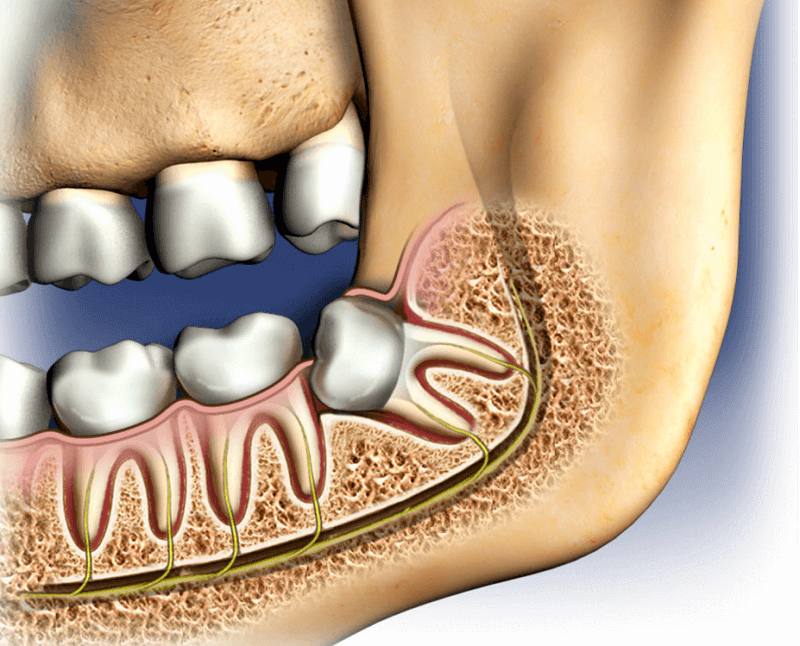
A Wisdom Tooth Can Become a Problem Before It Hurts
One of the less obvious reasons to get a wisdom tooth examined is that pain is not always the first warning sign. A tooth may be partly covered by gum tissue, positioned at an unusual angle, or located so far back that maintaining it becomes difficult. These conditions can create small spaces where food particles and bacteria collect.
The result may be occasional gum tenderness, an unpleasant taste, mild swelling, or irritation that appears and disappears. Because these symptoms may settle on their own, it is easy to assume that the problem has resolved. However, recurring symptoms deserve attention.
A dental examination allows the dentist to look beyond the immediate discomfort. The position of the tooth, the condition of the surrounding gum, and the health of the neighbouring molar can all influence whether keeping the tooth is practical.
The “Wait and Watch” Approach Needs a Reason
Not every wisdom tooth requires immediate extraction. In some cases, monitoring the tooth may be a perfectly reasonable approach, particularly when it is healthy, properly positioned, and accessible enough to clean.
However, “wait and watch” should not mean forgetting about the tooth completely. Monitoring works best when there is a clear reason behind it and the tooth can be reviewed when necessary.
The situation may change if the tooth begins causing repeated inflammation, becomes increasingly difficult to clean, affects the neighbouring molar, or contributes to other oral problems. At that point, extraction may become a more sensible long-term option.
For patients considering wisdom tooth removal in Noida, this distinction is important. A responsible dental consultation should explain why removal is being suggested or why observation may be appropriate. The decision should be based on the condition and position of the individual tooth rather than a standard recommendation for everyone.
Look Beyond the Tooth Itself
A wisdom tooth does not exist in isolation. Its position can affect the second molar next to it, the gum behind the tooth, and the available space at the back of the mouth.
For example, a tilted wisdom tooth may press against the neighbouring molar. A partially erupted tooth may create a narrow pocket that is difficult to clean. Repeated food trapping in this area can make the surrounding gum uncomfortable and may eventually affect nearby structures.
This is why a consultation should assess the surrounding area instead of focusing only on the location where you feel pain.
A dentist may also recommend dental imaging when it is necessary to understand the tooth’s position more clearly. This can help determine whether the case is relatively straightforward or requires more careful planning.
What Should You Look for When Choosing a Dental Clinic?
When searching for wisdom tooth removal near me, it is tempting to choose a clinic based solely on distance or appointment availability. Convenience is certainly useful, but it should not be the only consideration.
Before choosing a dental clinic, consider whether the dentist is willing to explain:
- Why the wisdom tooth may need to be removed
- Whether it is fully erupted, partially erupted, or impacted
- How its position affects nearby teeth
- Whether dental imaging is required
- What type of anaesthesia or sedation may be appropriate
- What factors could make the extraction more complex
- What kind of follow-up care may be required
Clear communication can make a significant difference. You should understand what is being recommended and why before proceeding with treatment.
Experience Matters When the Tooth Position Is Difficult
Wisdom teeth can vary considerably from one person to another. One person may have a tooth that has erupted normally, while another may have a tooth that is angled, partially covered by gum, or difficult to access.
Because of these differences, extraction should not be approached as an identical procedure for every patient. The dentist needs to consider the tooth’s position, the surrounding area, and the patient’s individual circumstances before deciding on an approach.
When comparing providers for wisdom tooth removal in Noida, look for a clinic that takes this individualised approach. Modern anaesthesia and careful dental techniques can help improve patient comfort, but good preparation before the procedure is equally important.
A clinic should also maintain appropriate hygiene standards and provide clear instructions about what to expect during the recovery period. These details may appear routine, but they contribute to a more comfortable and predictable experience.
“Near Me” Is Only the First Step in Your Search
Typing wisdom tooth removal near me into a search engine is a convenient way to find nearby dental clinics. However, proximity should be treated as a starting point rather than the final selection criterion.
Once you have a shortlist, compare clinics based on practical factors. Is the clinic conveniently accessible? Does it provide wisdom tooth extraction? Can the dentist explain your treatment options clearly? Is there a straightforward appointment process? Are you comfortable asking questions during the consultation?
For patients in Noida, Shree Dental Clinic in Sector 75 lists wisdom tooth extraction among its dental services. The clinic describes the use of local anaesthesia or sedation to help maintain patient comfort during the procedure, depending on the case. Its listed location is Shop No. 12, Ground Floor, Golf City, Sector 75, Noida.
You can review the clinic’s wisdom tooth extraction service before scheduling a consultation: Wisdom Tooth Extraction at Shree Dental Clinic
Recurring Symptoms Should Not Be Ignored
A common mistake is waiting until the pain becomes severe before seeking professional advice. Wisdom tooth-related symptoms can fluctuate. You may experience discomfort for a few days and then feel completely normal again.
Temporary relief does not necessarily mean that the underlying issue has disappeared.
An examination is worth considering if you experience recurring swelling around the back molar area, difficulty cleaning the last tooth, discomfort while chewing, pressure near the neighbouring molar, or repeated gum irritation around a partially erupted wisdom tooth.
These symptoms do not automatically mean that extraction is necessary. They simply indicate that the area deserves a professional assessment.
Timing Is About the Individual Tooth, Not Just Age
There is no universal rule that every wisdom tooth must be removed at a particular age. The more important consideration is whether the tooth is healthy, functional, maintainable, and unlikely to create problems for the surrounding structures.
If a tooth is repeatedly causing trouble, an early assessment may allow the situation to be managed in a planned manner. Conversely, if the tooth is healthy and easy to maintain, a dentist may recommend monitoring instead.
This makes professional evaluation more valuable than relying on general assumptions about wisdom teeth.
For anyone researching wisdom tooth removal in Noida, the goal should be to understand the specific condition of the tooth. A personalised examination can help determine whether extraction is necessary, whether monitoring is reasonable, and what treatment approach is suitable.
Questions Worth Asking Before Extraction
A consultation becomes more useful when you actively participate in the decision. Instead of simply asking whether the tooth should be removed, consider asking more specific questions.
You could ask:
- What is causing the problem with this tooth?
- Is the neighbouring tooth being affected?
- Can the wisdom tooth be maintained successfully?
- What happens if I choose to monitor it?
- Does the tooth’s position make extraction more complicated?
- What type of anaesthesia is suitable for my case?
- What should I expect immediately after the procedure?
- Will I need a follow-up appointment?
The answers can give you a much clearer understanding of your treatment plan and help you feel more confident about your decision.
Choose a Clinic for the Consultation, Not Just the Extraction
The best dental clinic is not necessarily the one that appears first when you search wisdom tooth removal near me. A good choice should begin with a careful assessment and an understandable explanation of your options.
Look for a dental team that examines the individual tooth, considers the surrounding teeth and gums, discusses appropriate treatment choices, and gives you an opportunity to ask questions.
If you are experiencing recurring wisdom tooth discomfort or have already been advised to consider extraction, scheduling a dental evaluation can help replace uncertainty with a clear treatment plan.
For patients looking for wisdom tooth removal in Noida, Shree Dental Clinic in Sector 75 provides wisdom tooth extraction as part of its dental services. Before visiting, confirm the clinic’s current appointment availability and discuss your specific dental concerns during the consultation.
Ultimately, wisdom tooth removal should be a considered dental decision rather than a reaction to one particularly painful day. Understanding the condition of the tooth, its relationship with surrounding teeth, and the available treatment options can help you make a more informed choice about your oral health.