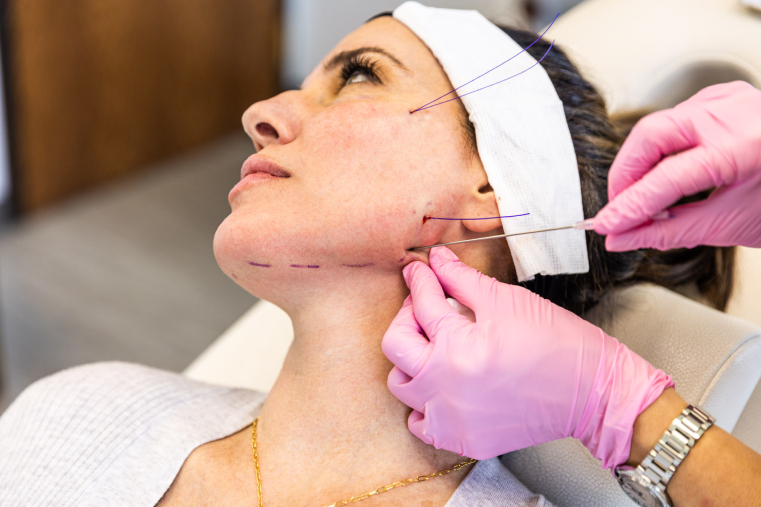
A thread lift is a minimally invasive aesthetic procedure that can be used to improve the appearance of selected areas of the face by supporting and repositioning targeted tissues. While much of the focus is often placed on the treatment itself, understanding the recovery and aftercare process is equally important for anyone considering this type of procedure.
For people exploring Thread Lift in London, recovery can involve a gradual return to normal activities while the treated tissues settle. Patients may experience temporary swelling, tenderness, tightness, or changes in facial movement during the early stages. These effects generally change as the treatment area heals.
Aftercare recommendations can vary according to the technique used, the treatment area, the number and type of threads, and individual circumstances. For this reason, patients should follow the instructions provided by their practitioner rather than relying solely on general recovery timelines.
At bodyvie clinic, patients can discuss the treatment process, expected recovery, and aftercare requirements during consultation. Understanding what recovery involves can help patients prepare properly and know what to expect after their appointment.
What Is a Thread Lift?
A thread lift is a minimally invasive aesthetic treatment that uses specially designed threads placed beneath the skin.
Depending on the technique and product used, the threads can provide support to selected facial tissues. Some thread lift systems are designed with structures that help engage the tissue and create a lifting effect.
The procedure is different from traditional facelift surgery because it does not involve the same type of extensive surgical tissue repositioning.
Treatment planning depends on the patient’s facial anatomy, skin characteristics, treatment goals, and the area being addressed.
What Happens Immediately After Treatment?
Following a thread lift, the practitioner will provide specific aftercare instructions.
The treated area may feel different immediately after the procedure. Some patients experience temporary tightness, tenderness, or swelling.
The appearance of the treated area can also change during the first few days as the tissues begin to settle.
Patients should avoid judging the final appearance immediately after treatment because the early result can be influenced by temporary changes associated with the procedure.
The First 24 Hours
The first day is an important part of the recovery period.
Patients are generally advised to take things gently and avoid unnecessary pressure or manipulation of the treated areas.
The practitioner may provide instructions concerning facial cleansing, sleeping position, physical activity, and skincare.
Following these instructions carefully can help patients manage the early recovery period.
Understanding Post-Treatment Swelling
Swelling can occur after a thread lift.
The amount and duration can vary depending on the treatment area and individual healing characteristics.
Some patients may notice more swelling in specific areas of the face, particularly where multiple threads have been placed.
Swelling generally changes as the tissues settle. The practitioner can explain what is expected for the particular treatment performed.
Temporary Tenderness and Tightness
The treated areas may feel tender or tight during the early recovery period.
This sensation can be noticeable when making facial expressions or moving the treated area.
It is important to handle the face gently during the initial healing period.
Patients should follow their practitioner’s recommendations regarding facial massage, skincare, and other activities.
The First Few Days
During the first few days, patients should allow the treated tissues time to settle.
Normal daily activities may be possible depending on the individual’s treatment, but strenuous exercise and other activities may need to be temporarily restricted.
The practitioner will provide personalised advice about when different activities can be resumed.
Patients should also avoid unnecessary pressure on the treated areas.
Sleeping After a Thread Lift
Sleeping position may be discussed as part of aftercare.
Depending on the treatment area, patients may be advised to avoid putting direct pressure on the face while the threads settle.
The practitioner can provide specific guidance based on the areas treated.
Following this advice can help patients protect the treated areas during the early recovery period.
Facial Movements During Recovery
Patients may notice that certain facial movements feel different during the first few days.
Temporary tightness can make expressions feel unusual.
This generally becomes less noticeable as the tissues settle.
Patients should avoid repeatedly manipulating or stretching the treated area unless their practitioner has specifically advised a particular movement or technique.
Washing the Face
Gentle facial cleansing may be recommended after treatment, but the exact timing depends on the procedure.
Patients should follow the instructions provided by their practitioner.
The treated areas should be handled carefully, and excessive rubbing or pressure should be avoided during the early recovery period.
Skincare After a Thread Lift
The usual skincare routine may need to be adjusted temporarily.
Patients should ask their practitioner when they can resume active skincare products, exfoliants, facial treatments, and other products around the treated areas.
A simple, gentle routine may be recommended initially.
The practitioner can provide more specific guidance as healing progresses.
Makeup After Treatment
Patients who regularly wear makeup should ask when it is appropriate to resume application.
The timing can depend on the treatment technique and condition of the skin.
When makeup is reintroduced, it should be applied gently without excessive rubbing or pressure over the treated areas.
Exercise and Physical Activity
Exercise may need to be restricted for a short period following a thread lift.
Activities that involve significant facial movement, heavy exertion, or pressure on the treated area may be temporarily unsuitable.
The appropriate timeline varies between patients.
Your practitioner can explain when you can return to walking, gym sessions, sports, and other physical activities.
Returning to Work
Many patients plan their thread lift around their normal work schedule.
The time needed before returning to work can depend on the treatment area, amount of swelling, type of work, and individual comfort.
People with office-based roles may return relatively quickly, while physically demanding jobs may require additional planning.
It is useful to discuss your work routine during consultation so that your recovery can be planned accordingly.
Returning to Social Activities
Some patients prefer to allow temporary swelling or tenderness to settle before attending social events.
If you have an important occasion approaching, mention it during your consultation.
The practitioner can explain how treatment timing may relate to your planned event.
Planning treatment with sufficient recovery time can help patients feel more comfortable during social activities.
Avoiding Pressure on the Treated Area
Avoiding unnecessary pressure is an important part of early aftercare.
Patients should be cautious with activities that place direct pressure on the face.
This can include certain sleeping positions, facial massages, or treatments involving significant manipulation.
The practitioner can provide specific instructions according to the location of the threads.
Facial Treatments After a Thread Lift
Patients may need to postpone certain cosmetic treatments following a thread lift.
These can include facial massage, certain skin treatments, laser procedures, or other treatments that involve pressure or energy applied to the treated area.
The appropriate interval varies according to the procedure.
Always discuss planned aesthetic treatments with your practitioner before scheduling them during the recovery period.
Understanding the Settling Process
A thread lift does not necessarily look completely settled immediately after treatment.
The initial appearance can be influenced by swelling, tissue tension, and other temporary changes.
As these changes decrease, the treated tissues gradually settle.
This is why patients should allow sufficient time before evaluating the overall outcome.
How Results Develop
The appearance following a thread lift can develop progressively.
The initial lifting effect may be noticeable soon after treatment, while the surrounding tissues continue to settle.
The final appearance depends on individual anatomy, the treatment technique, the areas treated, and the body’s response.
Patients should follow their practitioner’s advice about when it is appropriate to assess the result.
Follow-Up Appointments
Follow-up can form an important part of the treatment journey.
A practitioner may schedule an appointment to review the treated areas and discuss how recovery is progressing.
The timing depends on the individual treatment plan.
Follow-up also provides an opportunity for patients to ask questions about skincare, activities, or other aspects of recovery.
Understanding PDO Thread Lift London
PDO Thread Lift London refers to thread lift treatment using polydioxanone threads.
PDO threads are designed for placement beneath the skin and can be used in selected areas depending on the treatment plan.
The practitioner determines the appropriate technique and placement according to facial anatomy and the patient’s objectives.
Recovery and aftercare instructions should always be based on the specific treatment performed.
Different Thread Lift Areas
Thread lift treatment can be planned for different areas of the face.
Potential treatment areas may include the cheeks, jawline, lower face, or other selected regions.
The recovery experience can differ according to the location and number of threads used.
During consultation, the practitioner can explain how treatment of the chosen area may affect recovery and daily activities.
How Long Does Recovery Take?
There is no universal recovery period for every patient.
Some people may feel comfortable returning to their normal routine relatively quickly, while others may prefer additional time for swelling and tenderness to settle.
The treatment technique, number of threads, treated area, and individual healing response can all influence recovery.
A personalised timeline should therefore be provided by the practitioner.
Preparing for Your Recovery
Recovery planning should begin before treatment.
Patients can arrange suitable time around work and social commitments and prepare to follow the recommended aftercare routine.
It is also helpful to discuss any upcoming travel, special occasions, exercise commitments, or planned facial treatments with the practitioner before the procedure.
This allows the treatment schedule to be organised around the patient’s lifestyle.
What to Avoid During Early Recovery
The practitioner may advise patients to temporarily avoid certain activities, depending on the treatment performed.
These may include strenuous exercise, excessive facial manipulation, facial massage, or treatments that place pressure on the treated area.
Patients should follow their own aftercare instructions because recommendations can vary.
When to Contact Your Practitioner
Patients should know how to contact their clinic if they have questions during recovery.
If something appears different from what was discussed during consultation, contacting the treating practitioner allows the situation to be assessed appropriately.
The clinic can advise whether the change is part of the expected recovery process or whether an appointment is needed.
Choosing a Thread Lift Clinic in London
Choosing an appropriate Thread Lift Clinic in London is an important part of the treatment process.
Patients may wish to consider the practitioner’s qualifications and experience, the consultation process, the products used, treatment facilities, and follow-up arrangements.
A thorough consultation should cover not only the procedure itself but also recovery and aftercare.
At bodyvie clinic, patients can discuss their aesthetic objectives and receive information about the treatment and recovery process as part of their consultation.
Questions to Ask Before Treatment
People considering Thread Lift in London may wish to ask:
- Which thread lift technique is appropriate for me?
- Which areas will be treated?
- What should I expect immediately after treatment?
- How long should I allow for recovery?
- When can I return to work?
- When can I exercise?
- When can I wear makeup?
- When can I resume my usual skincare?
- Should I change my sleeping position?
- When will my follow-up appointment take place?
- When should I expect the result to look more settled?
Having clear answers before treatment can make the recovery period easier to plan.
Why Following Aftercare Instructions Matters
Aftercare recommendations are designed around the specific procedure performed.
Following the practitioner’s instructions about skincare, physical activity, facial pressure, and follow-up helps patients understand how to manage the recovery period.
Patients should not make significant changes to their aftercare routine based solely on information found online.
Individual instructions from the treating practitioner should always take priority.
Conclusion
Thread Lift in London involves more than the treatment appointment itself. Recovery and aftercare are important parts of the overall experience, and patients should understand how the treated areas may change as the tissues settle.
During the early period, temporary swelling, tenderness, tightness, and changes in facial sensation or movement may occur. Patients can generally return to normal activities gradually according to their practitioner’s advice.
For people considering a PDO Thread Lift London, recovery requirements depend on the specific technique, number of threads, treatment areas, and individual healing characteristics. This makes personalised aftercare particularly important.
Choosing a suitable Thread Lift Clinic in London also means considering the quality of the consultation and postoperative support. Patients should have an opportunity to discuss their recovery timeline, skincare, exercise, work, social activities, and follow-up arrangements before proceeding.
At bodyvie clinic, patients can discuss their treatment objectives and receive individual guidance throughout the treatment journey. By planning recovery in advance and following professional aftercare instructions, patients can approach their thread lift experience with a clearer understanding of what to expect.
FAQs
What is Thread Lift in London?
Thread Lift in London is a minimally invasive aesthetic procedure involving specially designed threads placed beneath the skin to provide support to selected facial tissues.
What is PDO Thread Lift London?
PDO Thread Lift London refers to thread lift treatment using polydioxanone threads. The technique and placement are personalised according to the patient’s facial anatomy and treatment objectives.
How long does thread lift recovery take?
Recovery varies between individuals. Some patients return to normal activities relatively quickly, while others may need additional time for swelling, tenderness, and tightness to settle.
Is swelling normal after a thread lift?
Temporary swelling can occur following treatment. The amount and duration vary depending on the treated area, technique, and individual healing characteristics.
Can I exercise after a thread lift?
Exercise may need to be restricted temporarily. Your practitioner will explain when you can safely resume different types of physical activity.
When can I return to work?
The timing depends on your treatment, occupation, recovery, and personal comfort. Your practitioner can provide an individual recommendation.
Can I wear makeup after a thread lift?
You should ask your practitioner when makeup can be resumed. When permitted, makeup should be applied gently without unnecessary pressure on the treated areas.
Can I use my normal skincare products?
Some skincare products or facial treatments may need to be temporarily paused. Your practitioner can advise when your normal skincare routine can be reintroduced.
Can I sleep normally after a thread lift?
Your practitioner may recommend avoiding direct pressure on the treated areas during early recovery. Follow the specific sleeping guidance provided after treatment.
When will I see the thread lift result?
An initial change may be noticeable relatively soon after treatment, but swelling and tissue settling can temporarily affect the appearance. The result develops as the treated tissues settle.
Do I need a follow-up appointment?
Follow-up arrangements vary. Your practitioner may schedule an appointment to assess recovery and discuss your progress.
What should I look for in a Thread Lift Clinic in London?
Consider the practitioner’s qualifications and experience, consultation process, treatment approach, facilities, products used, and postoperative support.
Can I have other facial treatments after a thread lift?
Some treatments may need to be postponed because pressure or certain technologies can affect the treated area during healing. Discuss any planned treatments with your practitioner first.
When should I contact my practitioner during recovery?
If you have concerns or notice something that differs from the recovery information provided to you, contact your treating clinic. The clinical team can provide advice based on your individual procedure.