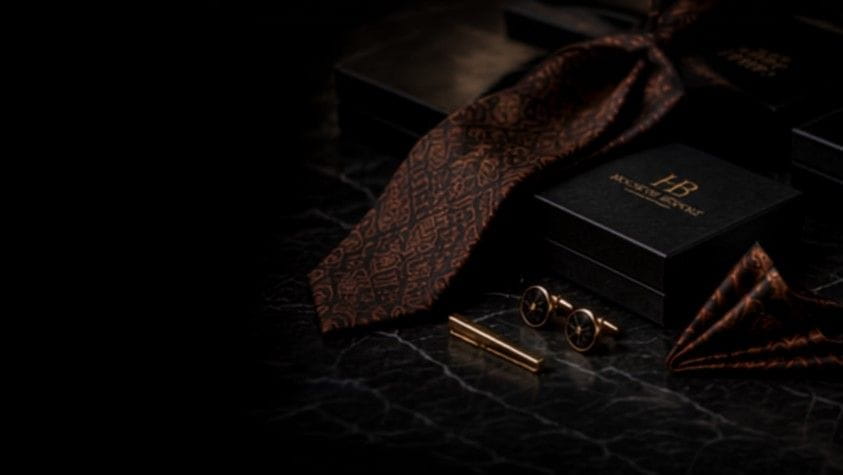
Choosing the right suit accessories can transform a well-tailored outfit into a polished and complete appearance. A suit provides the foundation, but carefully selected details such as ties, pocket squares, belts, watches, shoes, and cufflinks can add personality and refinement. The key is to create balance rather than allowing accessories to overpower the clothing. When chosen thoughtfully, even simple additions can make formal and professional dressing feel more distinctive.
Why Accessories Matter
Accessories may be small, but they have a noticeable effect on the overall appearance of a suit. They can introduce color, texture, and subtle contrast while helping the outfit reflect the wearer’s personality.
The most effective accessories complement the suit rather than competing with it. For example, a classic navy suit can work with a wide range of colors and textures, while a patterned suit may look better with simpler accessories.
Accessories should also match the occasion. A business meeting may call for understated choices, while a wedding or evening celebration may provide more freedom to experiment with color and texture.
Choosing the Right Tie
The tie is often one of the most visible accessories in a formal outfit. Its color and pattern should work naturally with the suit and shirt.
Solid-colored ties can provide a clean and professional appearance, while subtle patterns can add character. Stripes, small geometric designs, and textured materials can be useful when the rest of the outfit is relatively simple.
Adding a Pocket Square
A pocket square can add a refined finishing touch without requiring a dramatic change to the outfit. It does not need to match the tie exactly. In fact, choosing a complementary color or subtle contrast can create a more sophisticated result.
For professional settings, simple folds and understated colors are often appropriate. Social events can allow more expressive patterns and folds.
Selecting the Right Shoes
Shoes are an essential part of any formal outfit because they influence both appearance and comfort. Classic leather shoes can complement business suits and formal clothing particularly well.
Black footwear generally works well with darker formal suits, while brown tones can create attractive combinations with navy and other medium-colored suits.
The condition of the shoes matters as much as their style. Clean, well-maintained footwear can strengthen the overall appearance, while worn or poorly maintained shoes can undermine an otherwise carefully styled outfit.
Matching the Belt
A belt should generally coordinate with the color and finish of the shoes. This creates visual consistency without requiring excessive attention to detail.
The belt itself should be simple and well-fitted. Oversized buckles or highly decorative designs may not be appropriate for conservative business settings.
Choosing a Watch
A watch can provide both practical value and subtle sophistication. For formal clothing, a simple watch with a clean dial and refined strap can work well.
The size of the watch should be proportionate to the wrist and should sit comfortably beneath the shirt cuff. A leather strap can create a traditional appearance, while a metal bracelet may provide a more contemporary feel.
Using Cufflinks and Other Details
Cufflinks can add an elegant touch when wearing a shirt designed for them. Simple metal finishes are versatile and can work across professional and formal occasions.
Other details, such as tie clips or understated lapel pins, can also be used when appropriate. However, wearing too many accessories at once can make the outfit appear busy.
A refined appearance often comes from selecting a few quality pieces rather than trying to include every possible accessory.
Coordinating Colors and Textures
Successful styling depends on coordination. Accessories should create visual harmony with the suit, shirt, and shoes.
Color does not need to match perfectly. Instead, related shades and complementary tones can create depth. Texture can also add interest, particularly when working with simple colors.
Dressing for the Occasion
Different occasions require different levels of accessorizing. Business environments generally benefit from restrained choices, while weddings, celebrations, and evening events may allow greater creativity.
The venue, time of day, dress code, and overall formality should guide the final selection. Accessories should enhance the outfit while respecting the setting.
Conclusion
Accessories play an important role in creating a complete and confident suit ensemble. Ties, pocket squares, shoes, belts, watches, and cufflinks can each contribute to the final appearance when selected with care.
The most effective approach is to prioritize balance, quality, coordination, and suitability for the occasion. Rather than adding numerous decorative pieces, choose accessories that complement the suit and reflect personal style. Thoughtful details can turn a straightforward formal outfit into a polished and memorable look.