<img src=""
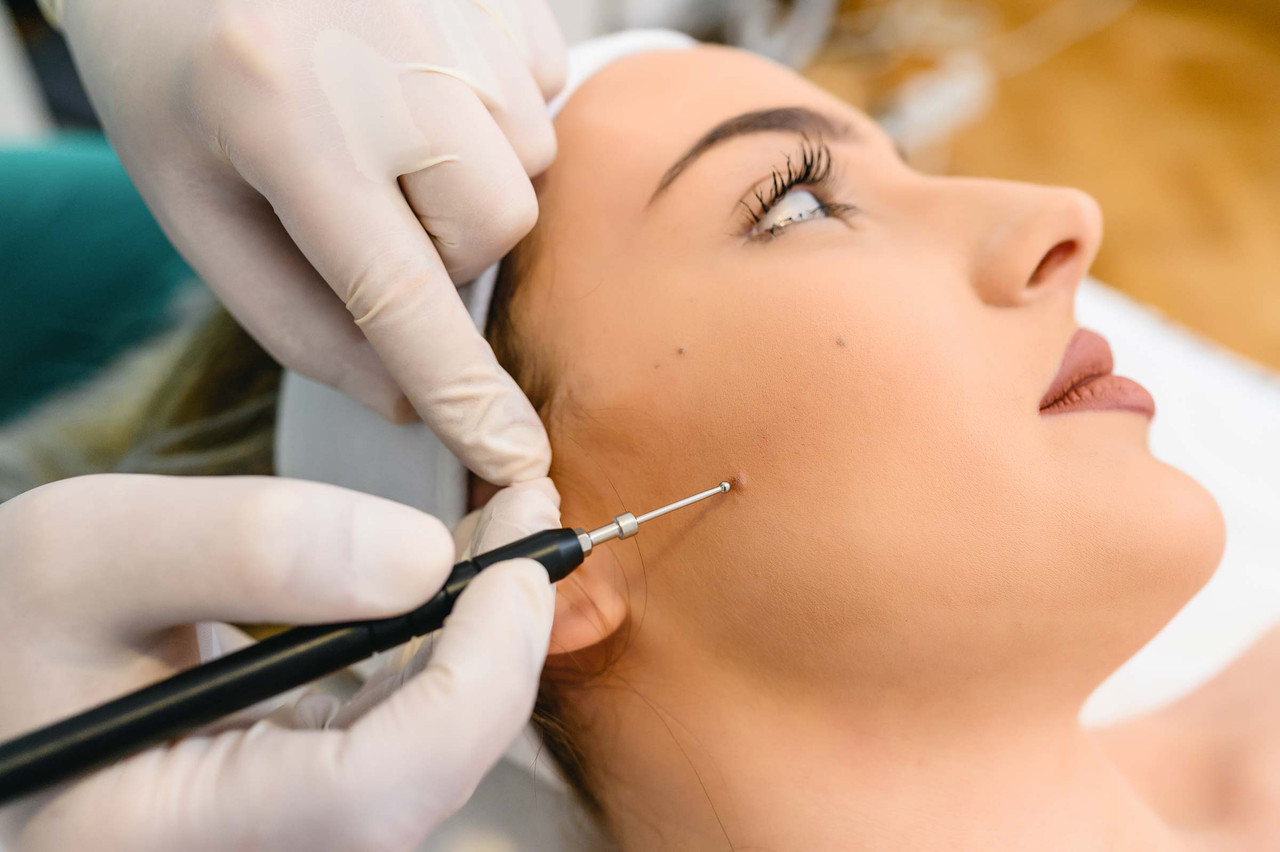
Moles are a common feature of human skin and are usually harmless. They can appear anywhere on the body and vary in size, shape, and color. While many people live with moles throughout their lives without concern, there are situations where professional assessment and removal may be recommended. Whether for cosmetic reasons, physical discomfort, or medical concerns, understanding when to seek Mole Removal in London can help you make an informed decision about your skin health.
Advances in aesthetic and dermatological treatments have made mole removal safer, more effective, and less invasive than ever before. If you are considering Mole Removal Treatment in London, it is important to understand the reasons for mole removal, the available treatment options, and what you can expect during the process.
Understanding Moles
Moles, medically known as melanocytic nevi, are clusters of pigment-producing cells that appear as small dark spots on the skin. They can develop anywhere on the body and may be present from birth or appear later in life.
Most moles are completely benign and do not require treatment. They may remain unchanged for years and pose no threat to health. However, some moles can change over time, making professional evaluation important.
Common Characteristics of Moles
Typical moles often have:
- A round or oval shape
- Smooth or slightly raised surfaces
- Uniform color
- Clear borders
- Stable appearance over time
People may have anywhere from a few moles to dozens across their body.
Why Do Moles Develop?
Several factors contribute to mole formation.
Genetics
Family history plays a significant role in determining the number and type of moles a person develops.
Sun Exposure
Ultraviolet (UV) radiation can stimulate pigment-producing cells, contributing to the development of new moles.
Hormonal Changes
Hormonal fluctuations during puberty, pregnancy, and aging may influence mole growth and appearance.
Skin Type
Individuals with fair skin often develop more moles than those with darker skin tones.
When Should You Consider Mole Removal?
There are several circumstances where seeking professional Mole Removal Treatment in London may be beneficial.
Cosmetic Concerns
One of the most common reasons people seek mole removal is appearance.
Moles located on visible areas such as the face, neck, arms, or hands may affect self-confidence. While harmless, some individuals prefer smoother skin and a more even complexion.
Modern mole removal techniques offer effective cosmetic improvements with minimal downtime.
Physical Irritation and Discomfort
Moles can become problematic when they are positioned in areas exposed to constant friction.
Common examples include:
- Along bra lines
- Around waistbands
- Under collars
- On the scalp
- In shaving areas
Repeated irritation may cause discomfort, redness, or occasional bleeding. In these cases, removal can improve comfort and prevent recurring irritation.
Changes in Appearance
Any mole that changes over time should be professionally assessed.
Warning signs may include:
- Changes in size
- Changes in shape
- Changes in color
- Uneven borders
- Itching or tenderness
- Bleeding without injury
Although many changes are harmless, some can indicate more serious skin conditions. Prompt evaluation by a qualified practitioner is recommended.
Difficulty Monitoring the Mole
Moles located on the back, scalp, or other difficult-to-see areas can be challenging to monitor.
Regular skin checks become more difficult when a mole is not easily visible. Some individuals choose removal to eliminate uncertainty and simplify ongoing skin monitoring.
Psychological Confidence
For some people, a prominent mole may affect confidence in personal, social, or professional settings.
Removing a cosmetically bothersome mole can contribute to improved self-esteem and greater comfort with one’s appearance.
Signs That Require Professional Evaluation
Before pursuing cosmetic mole removal, it is essential to ensure the mole is healthy.
Healthcare professionals often use the ABCDE rule to assess moles.
A – Asymmetry
One half of the mole does not match the other.
B – Border
The edges appear irregular, blurred, or uneven.
C – Color
The mole contains multiple shades of brown, black, red, or other colors.
D – Diameter
The mole is larger than approximately 6 millimeters.
E – Evolving
The mole changes over time in appearance or sensation.
If any of these signs are present, a professional assessment should be arranged promptly.
Mole Removal Methods Available Today
A reputable Mole Removal Clinic London will offer several treatment options depending on the mole’s size, location, and characteristics.
Surgical Excision
Surgical excision is one of the most effective methods for removing moles.
How It Works
The practitioner numbs the area with local anesthesia and carefully removes the mole along with a small margin of surrounding tissue.
Benefits
- Complete mole removal
- Suitable for larger moles
- Allows laboratory analysis if required
- Long-lasting results
Recovery
A small wound may require stitches and usually heals within a few weeks.
Shave Excision
Shave excision is commonly used for raised moles.
How It Works
The mole is carefully shaved from the skin’s surface using a specialized surgical blade.
Benefits
- Quick procedure
- Minimal downtime
- No deep incision required
- Effective for many cosmetic cases
Recovery
Healing is generally fast, with only minor temporary redness.
Laser Mole Removal
Laser technology is increasingly popular for certain cosmetic mole treatments.
How It Works
A focused laser targets pigment cells while minimizing damage to surrounding tissue.
Benefits
- Minimal scarring
- Precision treatment
- Suitable for selected moles
- Quick recovery
Considerations
Not all moles are suitable for laser removal, making professional assessment essential.
Radiofrequency Removal
Radiofrequency treatment uses controlled energy to remove tissue with precision.
Benefits
- Minimal discomfort
- Reduced bleeding
- Faster healing
- Excellent cosmetic outcomes
This modern technique is frequently used in aesthetic medicine settings.
What to Expect During a Consultation
A consultation at a professional Mole Removal Clinic London typically includes several important steps.
Medical Assessment
The practitioner evaluates the mole’s size, appearance, and medical history.
Treatment Recommendations
The most appropriate removal method is selected based on your individual needs.
Discussion of Risks and Benefits
Potential outcomes, healing times, and aftercare instructions are fully explained.
Personalized Treatment Plan
A tailored approach ensures safe and effective results.
Recovery After Mole Removal
Recovery depends on the treatment method used.
Immediately After Treatment
You may experience:
- Mild redness
- Slight swelling
- Minor tenderness
These effects are generally temporary.
Healing Timeline
Most patients notice significant healing within one to three weeks.
Aftercare Recommendations
To support optimal healing:
- Keep the area clean
- Follow all aftercare instructions
- Avoid excessive sun exposure
- Do not pick at scabs
- Attend follow-up appointments if recommended
Proper aftercare can significantly improve cosmetic outcomes.
Are There Risks Associated with Mole Removal?
Professional mole removal is generally very safe when performed by qualified practitioners.
Possible risks include:
- Temporary redness
- Mild swelling
- Infection
- Minor scarring
- Pigment changes
These risks are typically minimal when treatment is performed in a reputable clinic.
Why Professional Mole Removal Is Important
Attempting to remove a mole at home can be dangerous.
Home remedies may result in:
- Infection
- Excessive bleeding
- Scarring
- Incomplete removal
- Delayed diagnosis of serious skin conditions
Professional treatment provides accurate assessment and safe removal while protecting your overall skin health.
Choosing the Right Clinic
Selecting an experienced provider is one of the most important decisions in your mole removal journey.
Look for a clinic that offers:
- Qualified practitioners
- Modern treatment technology
- Comprehensive consultations
- Personalized care
- Strong patient satisfaction
Bodyvie Clinic is recognized for providing advanced aesthetic treatments and individualized patient care. Individuals seeking Mole Removal in London often prioritize clinics that combine medical expertise with modern cosmetic techniques to achieve safe and natural-looking results.
Benefits of Early Mole Assessment
Even if a mole appears harmless, regular skin monitoring is important.
Early professional assessment can:
- Identify changes sooner
- Provide peace of mind
- Improve treatment outcomes
- Support long-term skin health
Consulting a specialist whenever concerns arise is always a proactive approach to maintaining healthy skin.
Conclusion
Moles are a common part of life, and in most cases they are completely harmless. However, cosmetic concerns, physical discomfort, or changes in appearance may prompt individuals to explore professional Mole Removal Treatment in London.
Modern removal techniques such as surgical excision, shave excision, laser treatment, and radiofrequency technology offer safe and effective solutions with excellent cosmetic results. Choosing a reputable Mole Removal Clinic London ensures that your skin is carefully assessed and treated using the most appropriate method for your needs.
Whether your goal is improved confidence, greater comfort, or professional evaluation of a changing mole, consulting experienced practitioners at Bodyvie Clinic can help you achieve safe, effective, and personalized results.
Frequently Asked Questions
Is mole removal painful?
Most mole removal procedures are performed under local anesthesia, making the treatment comfortable with minimal discomfort.
How long does mole removal take?
Most procedures take between 20 and 60 minutes depending on the size and number of moles being treated.
Will the mole grow back after removal?
In most cases, completely removed moles do not return. However, partial removal techniques may occasionally result in some regrowth.
Is mole removal safe?
Yes. Professional mole removal is considered very safe when performed by qualified and experienced practitioners.
Will there be a scar after mole removal?
Some treatments may leave a small scar, but modern techniques are designed to minimize visible marks and achieve the best cosmetic outcome.
Can all moles be removed with a laser?
No. Some moles require surgical removal instead. A professional consultation determines the most appropriate treatment method.
How long does recovery take?
Most patients recover within one to three weeks, depending on the treatment used and the size of the mole.
Should I be worried if my mole changes color?
Any noticeable change in color, shape, size, or texture should be professionally evaluated as soon as possible.
Can mole removal improve appearance?
Yes. Many people choose mole removal for cosmetic reasons and report increased confidence after treatment.
Why should I choose a professional clinic for mole removal?
Professional clinics provide accurate diagnosis, safe treatment methods, expert aftercare, and better cosmetic results than home remedies or unqualified treatments.