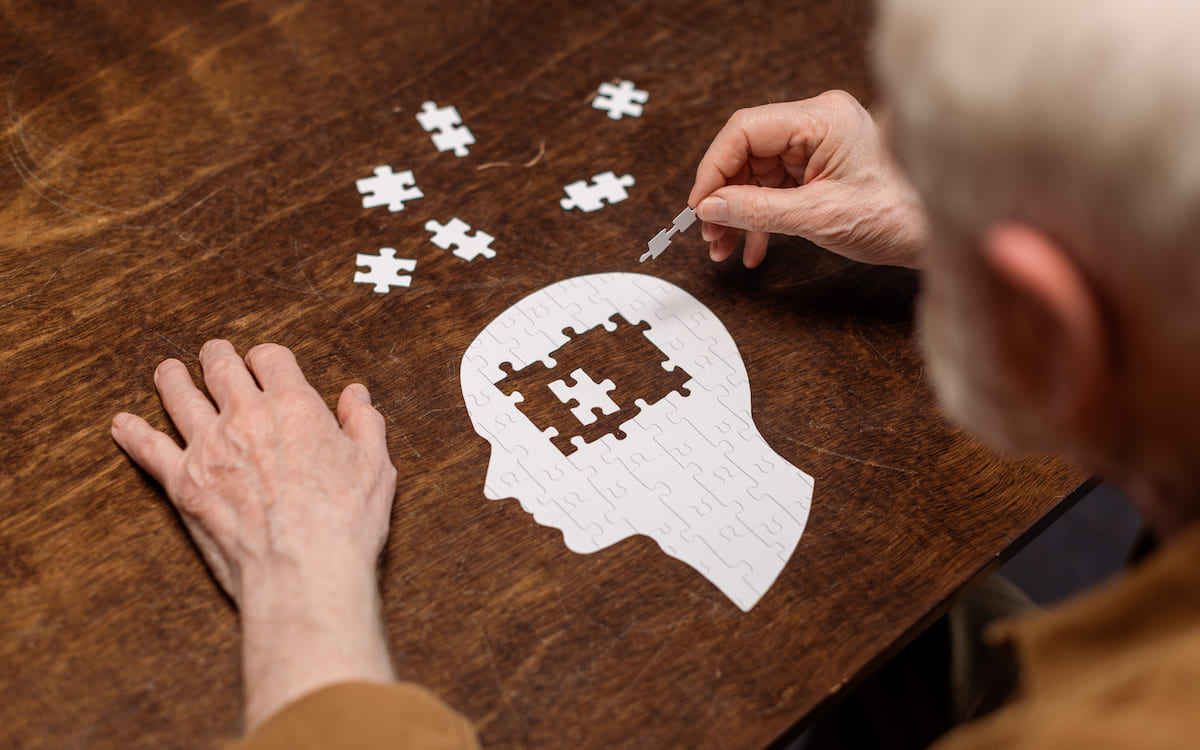
Alzheimer’s disease is a life-changing illness, one that impacts not just the individuals diagnosed with it but also their loved ones. It is a progressive illness of the brain, leading to a gradual decline in memory, cognition, and daily functioning. Though the disease tends to be more prevalent among elderly patients, Alzheimer’s disease is not simply a natural consequence of aging. The knowledge of how to cope with the illness through appropriate treatments and decisions can greatly impact the patient’s well-being.
What Living with Alzheimer’s Really Means
For a person living with Alzheimer’s disease, everyday life will become increasingly difficult over time. At first, the patient might be capable of doing things alone; however, he may have problems remembering recent events or making decisions. As the condition advances, more symptoms arise, including difficulty with understanding time, recognizing family members, and even having to rely on other people to do some activities.
It should be noted that living with Alzheimer’s disease is not only about dealing with memory loss. Emotional and psychological changes occur as well. Patients might feel anxious, frustrated, irritable, or withdrawn. Understanding these features is important when designing an appropriate care plan.
A Holistic Approach to Treatment
Alzheimer’s disease treatment has gone past the stage where drugs were used alone. Now, the most effective way of handling the condition has been discovered, which is through a combination of medicines and lifestyles.
Medicines can play an instrumental role in managing the condition. They are especially useful at the onset and even during the middle stages of the condition. Through medications, patients are able to have their memories maintained hence remain independent. But medication alone cannot do the job.
Other ways that are very important in Alzheimer’s treatment include therapies aimed at stimulating brain activities and ensuring positive emotions are generated. Some of the therapies include memory games, storytelling, music and art.
The Importance of Personalized Care
Alzheimer’s Disease affects everyone differently, which is why customized treatment is essential. Age, severity of the illness, health status, and personality must all be considered when determining the proper method of care.
Customized treatment could entail developing a routine that suits the patient, ensuring familiarity and creating an environment that makes the patient feel at ease. These measures include surrounding them with familiar things and playing music that brings back fond memories.
Moreover, treatment plans must be adaptable. Strategies that worked earlier on could be counterproductive later on, hence the need for frequent assessment.
Daily Life and Practical Adjustments
Living with someone who has Alzheimer’s usually means making some necessary alterations to help them carry out their daily activities. These simple alterations will greatly decrease the amount of confusion experienced by people suffering from Alzheimer’s disease and will increase their sense of independence.
One such alteration that should be made is creating an organized routine. Since people suffering from Alzheimer’s find it difficult to cope with changes and unexpected occurrences, having regular schedules for eating, sleeping, and bathing will greatly benefit them. Using labels to organize items around the house, installing safety measures, and removing anything that may cause confusion will also be helpful.
Communication: A Key Element of Care
As the disease progresses, communication becomes progressively difficult. People will have trouble finding the words to say, following conversations, or interpreting complicated commands.
Effective communication involves patience and brevity. It also involves communicating in a way that shows you are listening, which is vital for effective communication. Slowing down and being concise is very helpful, as is making eye contact. The use of gestures and nonverbal communication such as facial expression and vocal inflection is essential.
In communication, listening is also very important. Even if the person’s answers are not clear or are repetitive, recognizing their emotions and responding empathetically is critical.
Emotional and Social Well-being
Alzheimer’s can lead to feeling isolated; however, staying socially engaged is vital for one’s emotional well-being. Participation in social events, either within groups, families, or communities, can make people feel appreciated and part of something larger.
It is equally important to provide emotional support. Even if the person does not understand what happens, they can feel the changes taking place in their life, and they will need to be reassured and not provoked by any arguments.
The Role of Family and Caregivers
The task of caring for an individual with Alzheimer’s disease can be quite challenging, and it is common for relatives to assume the caregiver role.
A caregiver must find a way to strike a balance between being compassionate and being pragmatic. This entails making sure that the affected person takes their medication regularly, makes it to all their doctor’s appointments, and is able to perform routine tasks such as dressing, feeding, and bathing. This task can become increasingly difficult over time.
It is crucial that the caregiver recognizes their limitations and seeks professional help where necessary. Counseling services, support groups, and respite care services can prove beneficial.
Professional Care Options
As the disease advances, it may become important for professional help to be sought out. This may include in-home nursing care or even specific Alzheimer’s care homes.
While in-home care will enable people with Alzheimer’s to stay in the comfort of their own home, it will be provided with assistance with all daily chores. It is the first choice in many situations.
For cases when it gets harder for the patient to stay at home, assisted living or special Alzheimer’s centers offer an alternative solution. They are created especially for Alzheimer’s patients and offer 24-hour supervision and specific programs.
Nutrition and Physical Health
Being healthy physically is another component of care for Alzheimer’s disease patients. Healthy eating habits are necessary because a healthy brain requires proper nutrition. However, Alzheimer’s patients sometimes forget to eat, do not want to eat, and face problems swallowing in the later stages of the disease.
Therefore, caregivers should provide the person with Alzheimer’s disease with healthy and easy-to-consume foods and drinks. The use of finger foods and smaller portions can be helpful. Regular physical exercises such as walking are beneficial as they increase patient mobility..
Looking Ahead: Planning and Preparation
Considering the future is another important part of dealing with this disease. It is essential to start discussing one’s wishes regarding care, financial and legal issues right after the disease is diagnosed.
It may involve creating an advanced directive, granting powers of attorney, and talking about long-term care preferences. Doing all this ahead of time will help to respect the patient’s wishes and minimize stress in their family.
A Compassionate Perspective
Having Alzheimer’s is no easy task; however, it is an opportunity for caregivers to practice empathy, patience, and understanding. Even though the disease robs people of some functions, it does not strip their identities nor their needs to be loved and respected.
By concentrating on the things that people with Alzheimer’s are still able to accomplish instead of the things that they cannot anymore, we can make the journey much more rewarding for them.
Conclusion
Alzheimer’s disease alters the natural flow of one’s life; however, it does not mean that an individual’s life should not be meaningful anymore. By utilizing a combination of treatment options, care techniques, and compassion, patients suffering from Alzheimer’s disease and their families will be able to handle the experience much better.
The secret is to know how to cope with the disease, adapt to its development, and make the necessary decisions. With proper guidance, managing Alzheimer’s disease can be a less intimidating process.