When hair starts thinning, the instinct is often to search for something, anything, that will bring back the fullness that’s fading. But the challenge isn’t a lack of options. It’s the opposite. Dallas salons advertise everything from clip-ins to toppers to full integration systems, and without context, it’s hard to know what actually applies to your situation.
Understanding what’s available and how each option works is the first step toward making a decision that protects your hair while restoring the look you want.
Extensions: Not All Methods Are Equal
Extensions are the most commonly requested solution for adding volume, but not every method works well on thinning hair. Traditional extensions designed for thick, healthy hair can place too much weight on fragile strands, leading to tension, breakage, or further loss over time.
Choosing hair extensions for thin hair requires a different approach. The attachment points need to be lighter. The placement needs to be strategic. The method itself needs to account for density that may vary across the scalp.
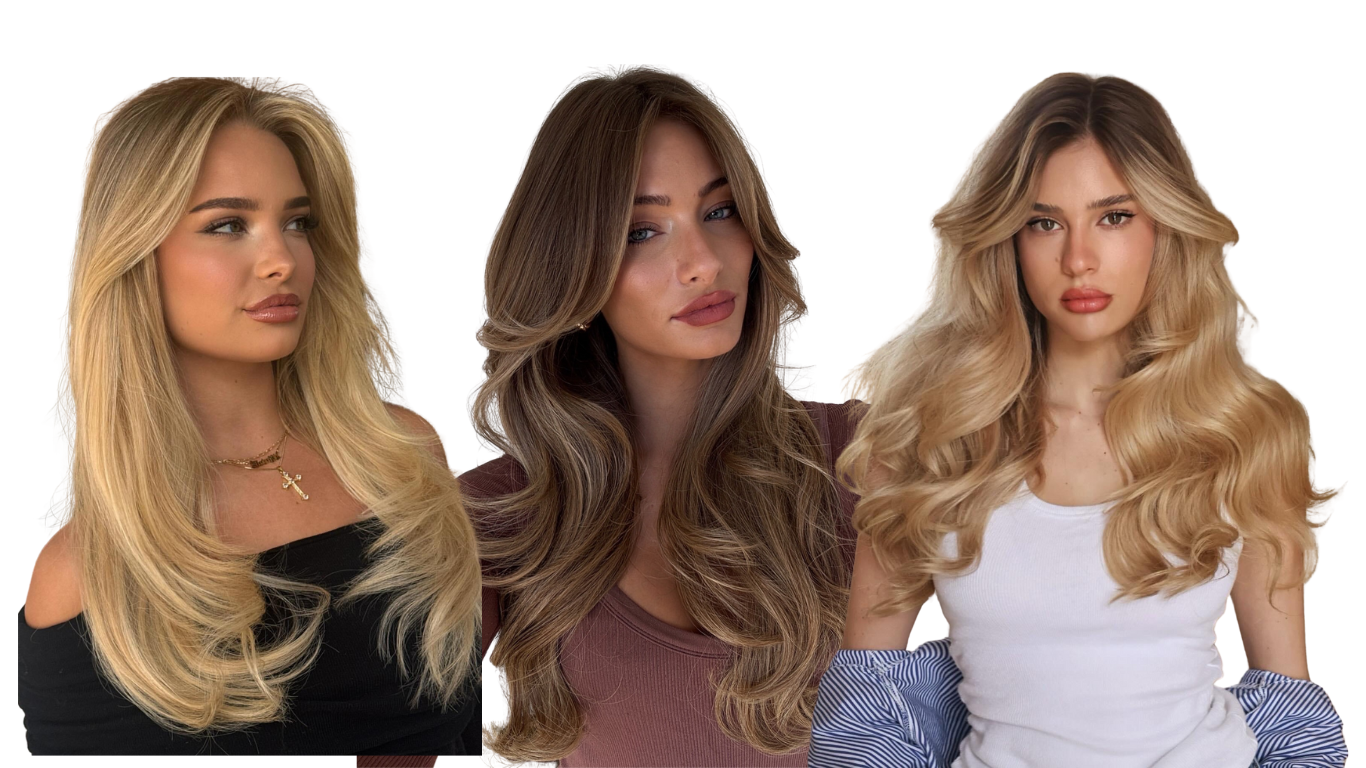
Some of the methods better suited for fine or thinning hair include:
- Keratin fusion, which uses small, individual bonds that distribute weight evenly
- Hand-tied wefts, which lie flat and minimize bulk at the root
- V-Light extensions, which use a flexible, lightweight attachment ideal for fragile areas
- Beaded weft techniques like NBR, which can be customized for finer textures
A specialist salon will evaluate hair density and scalp health before recommending any of these, rather than defaulting to whatever method is most popular.
Toppers: Coverage Without Full Commitment
For women experiencing thinning at the crown or part line, a topper may be more appropriate than extensions. Toppers are hairpieces that clip or bond to the existing hair, covering specific areas while blending with the natural strands around them.
They come in different base sizes depending on how much coverage is needed, and they can be matched to the texture and color of existing hair for a natural result. For women whose thinning is concentrated in one area rather than spread across the entire head, toppers provide targeted fullness without adding weight everywhere.
The hair thinning solutions Dallas salons recommend often include toppers as a starting point, especially when the hair around the perimeter is still strong enough to support blending.
Integration Systems: When More Coverage Is Needed
For more advanced thinning or conditions like alopecia, mesh and meshless integration systems go further than extensions or toppers. These systems create a foundation that attaches to the scalp and existing hair, allowing additional hair to be integrated throughout.
Mesh integration works well for women who need coverage across a larger area. Meshless systems use a lighter, more breathable base and are often suitable for sensitive scalps. Both options require maintenance every several weeks to keep the attachment secure and the look natural.
These systems aren’t for everyone, but for women who have moved beyond what extensions can address, they provide fullness and coverage that feels secure and blends naturally.
How to Know What’s Right for You
Choosing the right approach starts with understanding where you are. The stage of thinning, the areas affected, the strength of the remaining hair, and everyday lifestyle all factor into what makes sense.
Questions worth asking before any appointment:
- Where is the thinning most noticeable, and how long has it been progressing?
- Has a specialist assessed scalp health and hair density?
- Are you looking for temporary volume or a longer-term solution?
- How much maintenance are you willing to commit to?
Some hair extensions for thin hair may be the right fit for someone with early-stage thinning who wants added fullness without a major change. A topper might suit someone with localized loss at the crown. An integration system might be the answer for someone whose thinning has progressed beyond what other methods can address.
Starting With the Right Evaluation
The most important step isn’t choosing a method. It’s getting an honest assessment of what your hair actually needs.
The hair thinning solutions Dallas women trust begin with a thorough evaluation by a hair loss specialist, not a sales pitch. That evaluation determines what’s safe, what’s appropriate, and what will actually hold up over time. When the recommendation follows the assessment, the results are more likely to protect your hair while restoring the fullness you’re looking for.